
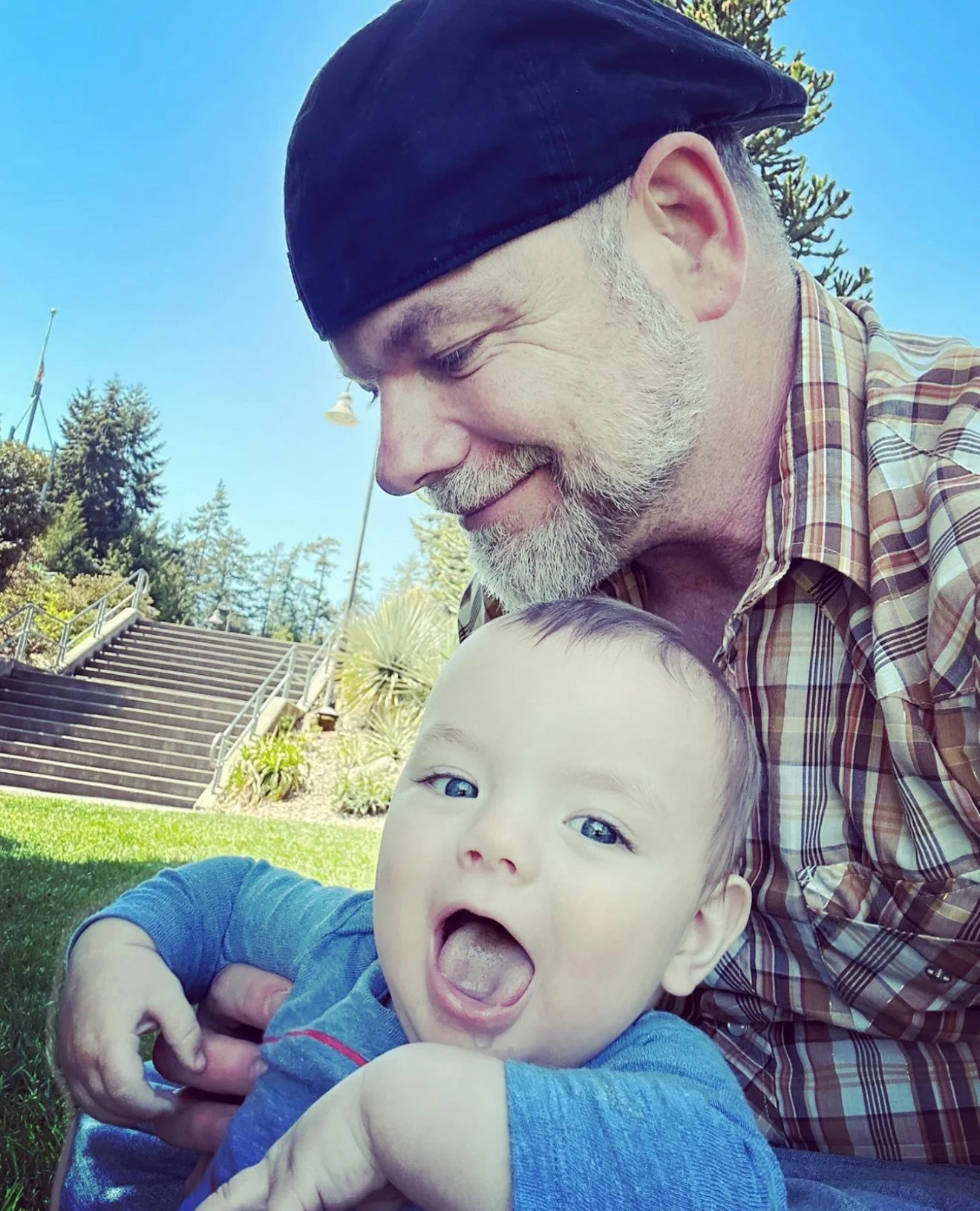
RYAN
Veteran | Iraq
“The culture says 'thank you for your service,' but the veteran is often left invisible.”
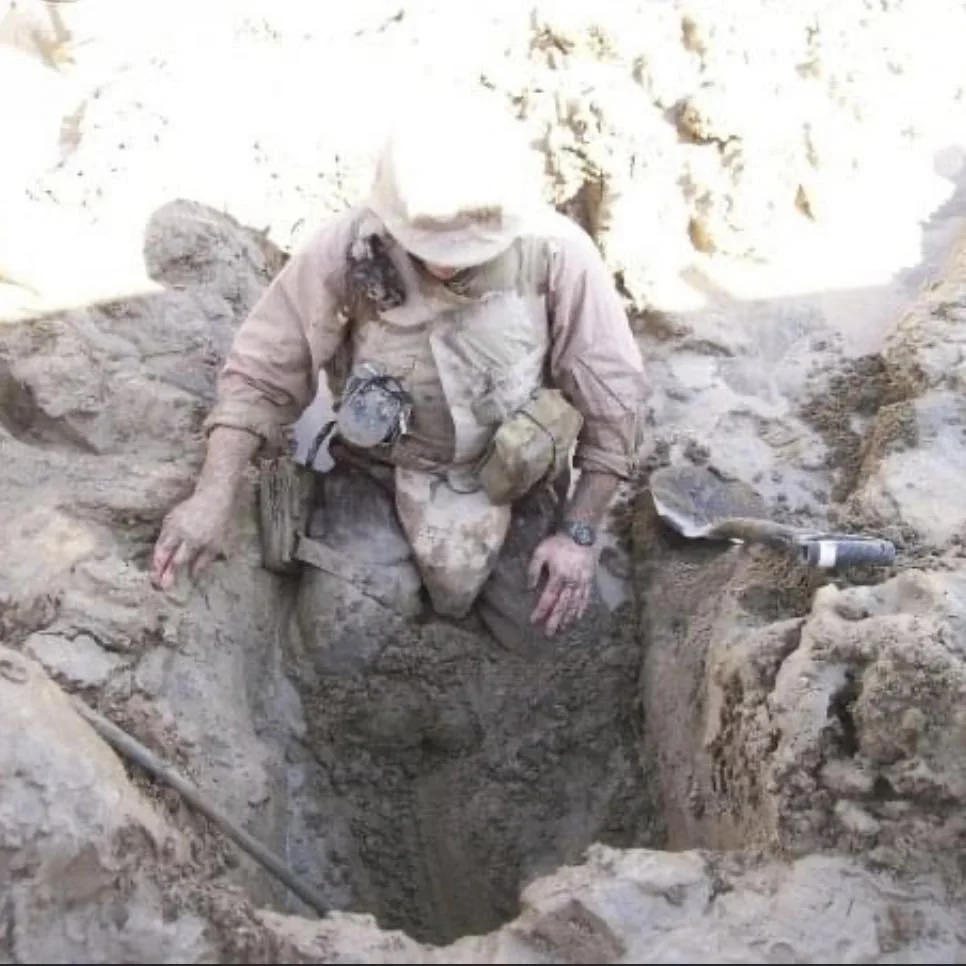
“IT WAS THREE IN THE MORNING OUTSIDE RAMADI. I was hypothermic, holding a 1970s-era tool bag, diving again and again into black water I didn't know how to work in. We'd accidentally blown apart a twelve-inch water main. We convinced a Marine general to call off an air offensive so we could fix it. For four or five days, under fire, we drained the lake we had created. Marines stood watch above us while we worked. We used steel plates. Welding gear. Even a soccer ball tied to a light pole.
"When we finally finished—exhausted, bruised—the next morning civilian contractors showed up with heavy machinery and took over. Some of them were making six figures for the same work my troops had just risked their lives to do. I looked at one of my men—an E-2 with kids at home—and thought, 'Could this not have waited two more days?' That was when something broke loose inside me. Pride and fury hit the same nerve. Tenderness, too."
"Before the Navy, I studied acting. I lived with too much freedom, too many addictions, felt myself running out of rope. After 9/11, something came over me that I still can't quite name. It wasn't patriotism. It wasn't some polished story about duty. It was quieter than that. Unmistakable. My soul wanted structure. Discipline. Brotherhood. Things I had never known. My life needed a container before it burned itself down.
"I answered an ad for a plumbing job that promised steady work and travel. Only at the end of the interview did they tell me it was the Navy. I shrugged and said yes. Thought I'd end up on ships, seeing the world. In boot camp, I failed my security clearance because I owed too much on student loans. A man behind a desk told me I should become a Seabee—part of the U.S. Naval Construction Battalion. He said they were 'the John Wayne types.' I thought that sounded manly enough. I had no idea what I was stepping into."
"I saw families burned alive. I justified it because I had to survive. I became so permeable to the language and prejudices around me—absorbed them so quickly, because deviation felt dangerous. I didn't have the tools or the language to hold someone's humanity and stay alive at the same time."
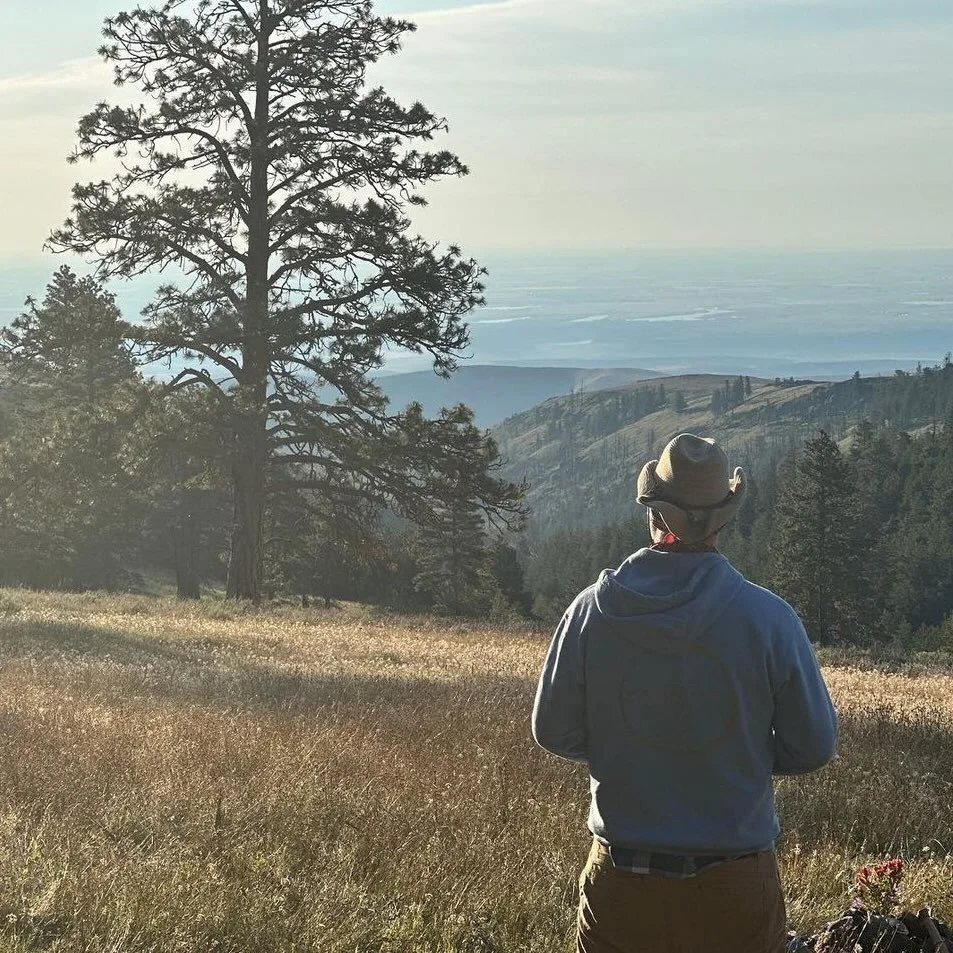
He stops.
"Only later did I understand what that cost."
"No one prepares you for coming home. There's no class. No briefing. No roadmap for returning to a life that no longer fits. Civilians ask questions that flatten the experience or turn it into a slogan. The culture says 'thank you for your service,' but the veteran is often left invisible. I didn't even want to identify as a veteran for years. I had learned to compartmentalize so completely that my own grief felt like a stranger. Out there, that armor kept me alive. Back home, it became a liability.
"Healing came in unexpected forms. Civilian angels. Elders willing to sit with hard questions. Nature, which took a kid from the Las Vegas desert and taught him how to grieve. Ceremony. Prayer. The twelve steps. Psychedelics. Late-night YouTube rabbit holes. Books that cracked me open. I've always felt like I got the middle version of everything—never the worst, but always the razor's edge. And then I met people who had endured far worse and were still choosing joy. Still walking toward peace. Being around that kind of unfiltered humanity changed me."
"A Vietnamese woman stood up after a theater performance and thanked American veterans, saying it was one of the most healing moments of her life. Afghan plays left my brothers in tears because they finally saw the truth of the sacrifice. I think about the local translators who risked everything, and the moral injury of leaving them behind.

"If I could sit with the little Iraqi girl I once knew, I would ask her what it was like to be her. I would tell her I was sorry."
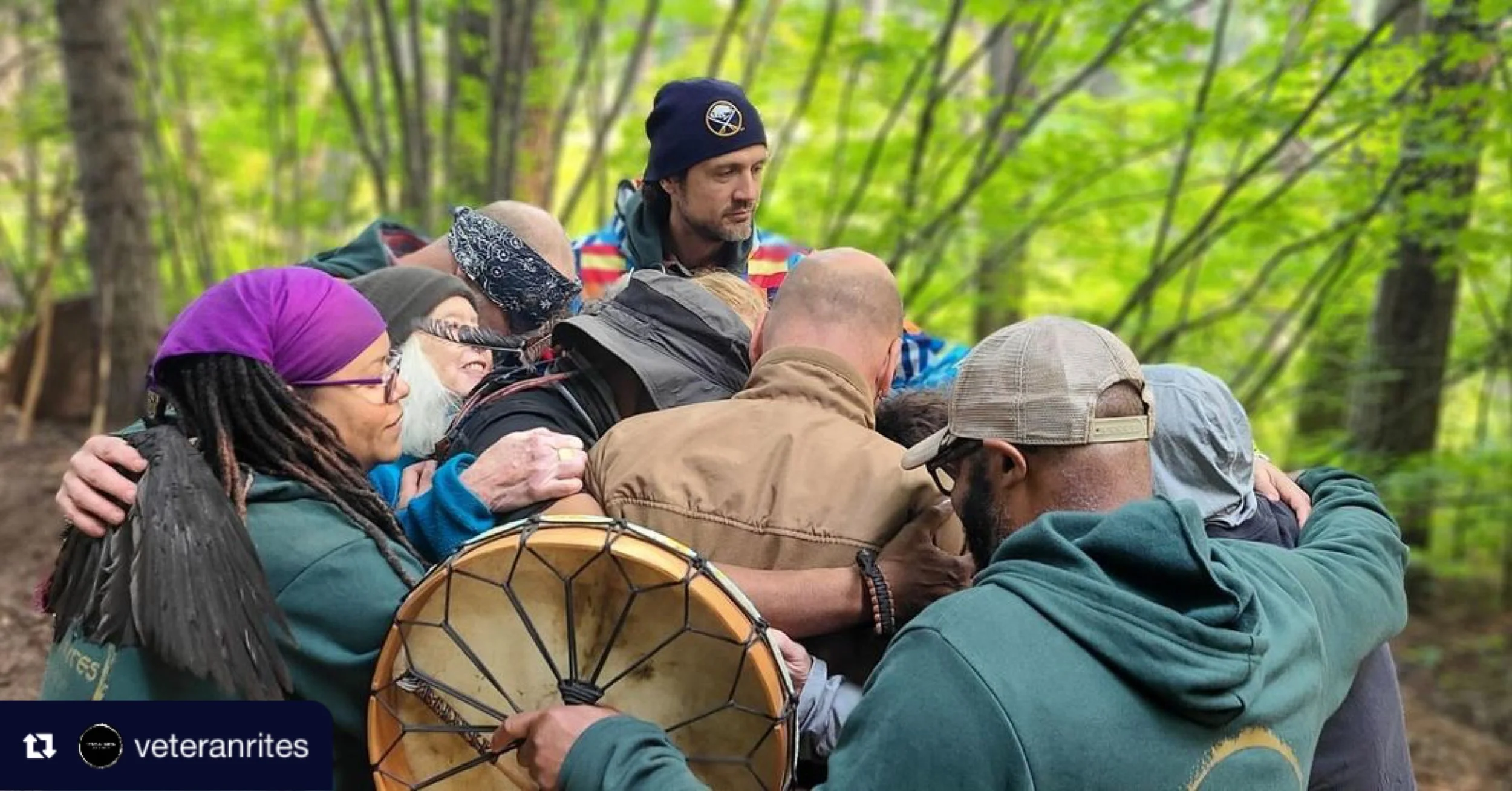
He pauses.
"I would ask what she dreams of. How she likes to play. And I would tell her that there are Americans—veterans and civilians—building an army of deep listeners, trying to move toward truth and reconciliation. I would want her to know she is part of that healing."
Today, Ryan leads Veteran Rites, using ritual and nature-based practices to support veterans healing from war and moral injury. This is what he offers: a willingness to listen. To be changed. To sit inside the paradox of pride and injury. And to keep walking toward a wholeness he once thought was impossible.