
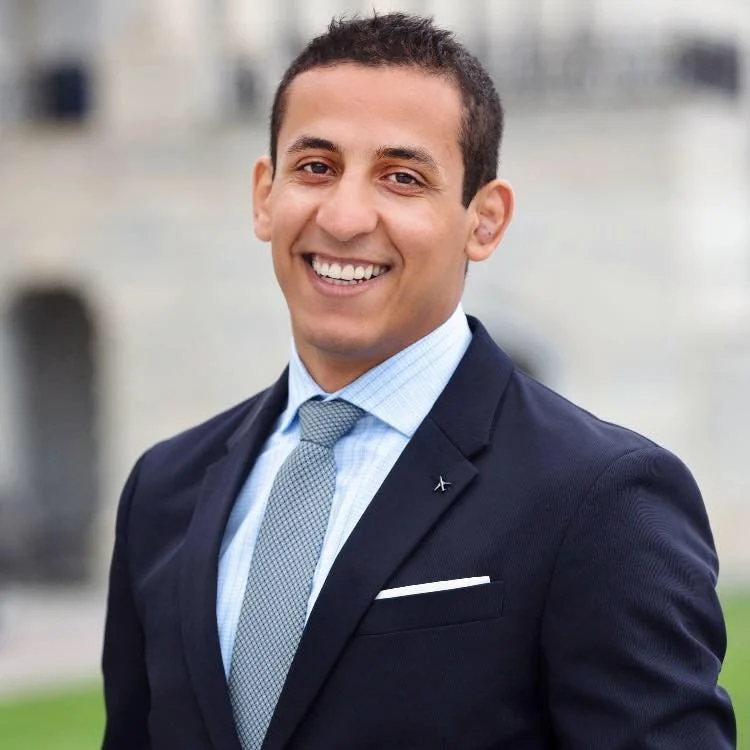
NOOR
Iraq | Jordan | Syria | California, USA
“This was during the economic sanctions of the ‘90s. Electricity would go out. Water would be turned off. But my aunt always worked hard to make it seem like things were okay. So in the midst of it all, we celebrated.”
NOOR WAS FIVE YEARS OLD, WATCHING TV AT HIS AUNT’S HOUSE IN KARBALA. It was Saddam Hussein again—always Saddam Hussein, 24/7, no other channels allowed. Something in the little boy snapped. He cursed the dictator and smacked the television with his shoe.
His aunt locked him inside for three months. “She said if anyone got wind of what I’d done, the whole family would be wiped off the face of the earth.”
He pauses. “She always said I was her favorite. That was her way of showing love.”
Noor was born in 1994 in the holy city of Karbala, Iraq, in the middle of the bombings. Saddam Hussein was dropping bombs on the city while declaring war on Shia Muslims. U.S. sanctions were in full effect. His parents left him to stay with his aunt and moved to Jordan after his uncle was murdered by Hussein’s regime, and they felt it was unsafe to remain.
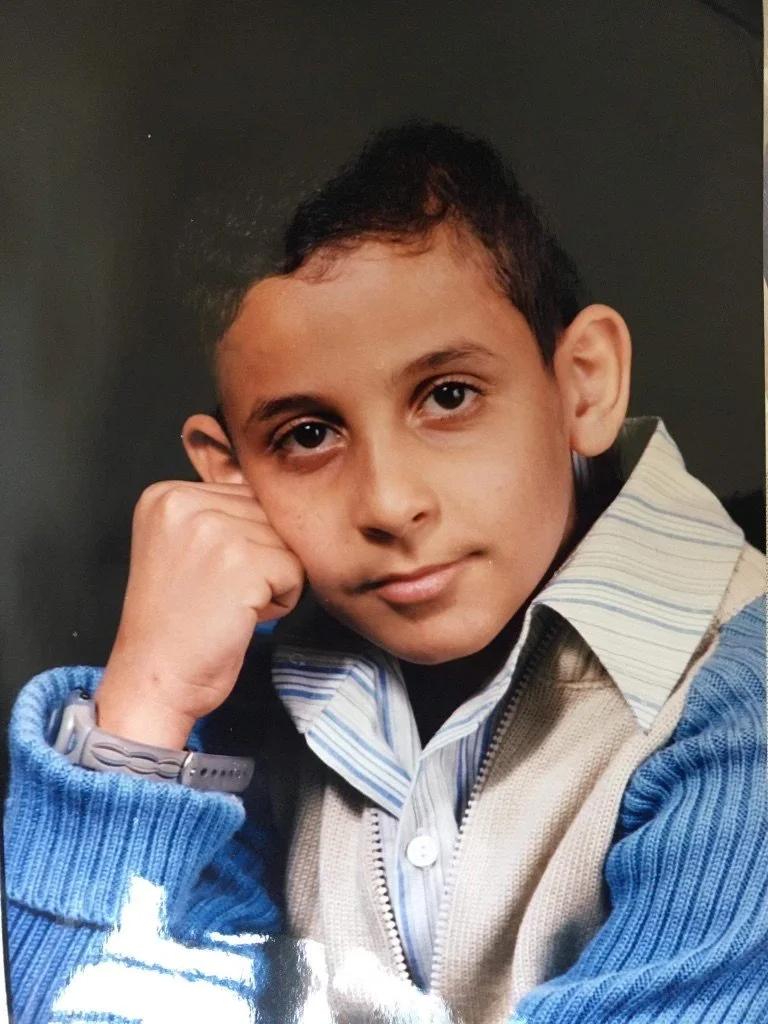
But even amidst all this, Noor recounts his childhood as a very happy time—playing marbles in the streets, making slingshots, racing, playing soccer, jumping into fruit trees trying to eat Chinese apples.
His favorite time of year was Ashura, when nearly four million people made pilgrimage to his holy city. “People would come from Qatar, India, Pakistan—they’d get dropped off at the Iraqi border and walk hundreds of miles to our city. Everything became so festive and alive.” He’d hop out of the taxi near the shrine and run up to groups of men praying, imitating whatever they did. “The people would pick me up, pass me around, and kiss me because they thought it was so cute.”
Afterward, they’d walk through the bustling marketplace. “I would beg my aunt to buy me this, buy me that. She spoiled me so much—I was in love with the Iraqi soccer team’s uniforms—that we wouldn’t have enough money for a taxi back.”
“This was during the economic sanctions of the ‘90s. Electricity would go out. Water would be turned off. But my aunt always worked hard to make it seem like things were okay. So in the midst of it all, we celebrated.”
When Noor was eight, his father came to get him. He didn’t know where they were going. It turned out they were headed to Syria—his father wanted the family together, and Iraq was too dangerous.
They became refugees. There was no system for Iraqi children to attend school. Noor hauled gas tanks people used for cooking. He delivered fruit. His family paid rent, built businesses, and helped the economy flourish.
“The police would stop us on the streets. We had to update our residency paperwork every six months. In exchange, municipal officers would ask my mother for sexual favors. They would say horrible things to her in front of my face.”
When he was sixteen, the protests started. Then the armed conflict. Then, for reasons he still doesn’t fully understand, his father left.
Noor worked as many jobs as he could to support his mother and sisters. “I came to see the inequity of opportunities afforded to refugees like me. Under Syrian law, I was denied protection, education, and opportunities for advancement—living as a shadow in a society indifferent to the lives of outsiders.”
Then, perhaps by a miracle, a judge in the United States granted them refugee status.
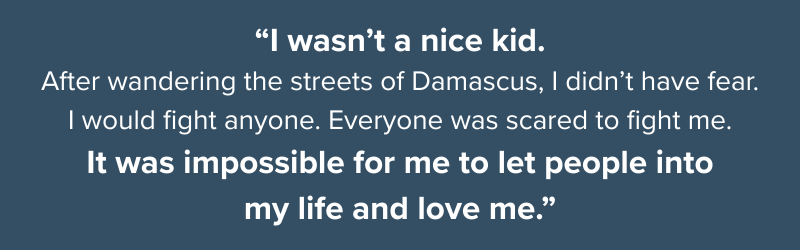
When they arrived in California, his mother couldn’t take care of him. “She was really depressed, would break out in rages, kept calling the police on me.” She maintained a better relationship with his sisters. Noor was placed in a juvenile home.
He worked three jobs—a janitor at the local Muslim community center, construction, and the night shift at a bakery. When he wasn’t working, he went to high school in San Jose.
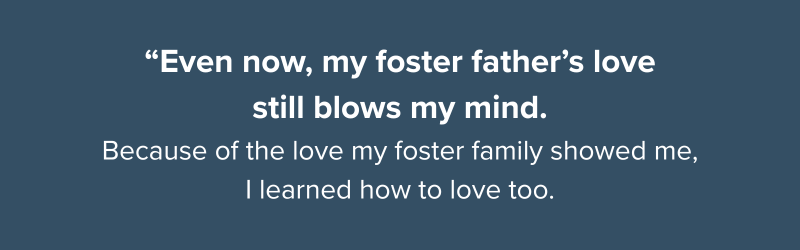
“A few weeks in, a kid made a joke about raping my sister.”
The next day, Noor brought a knife and threatened to kill him.
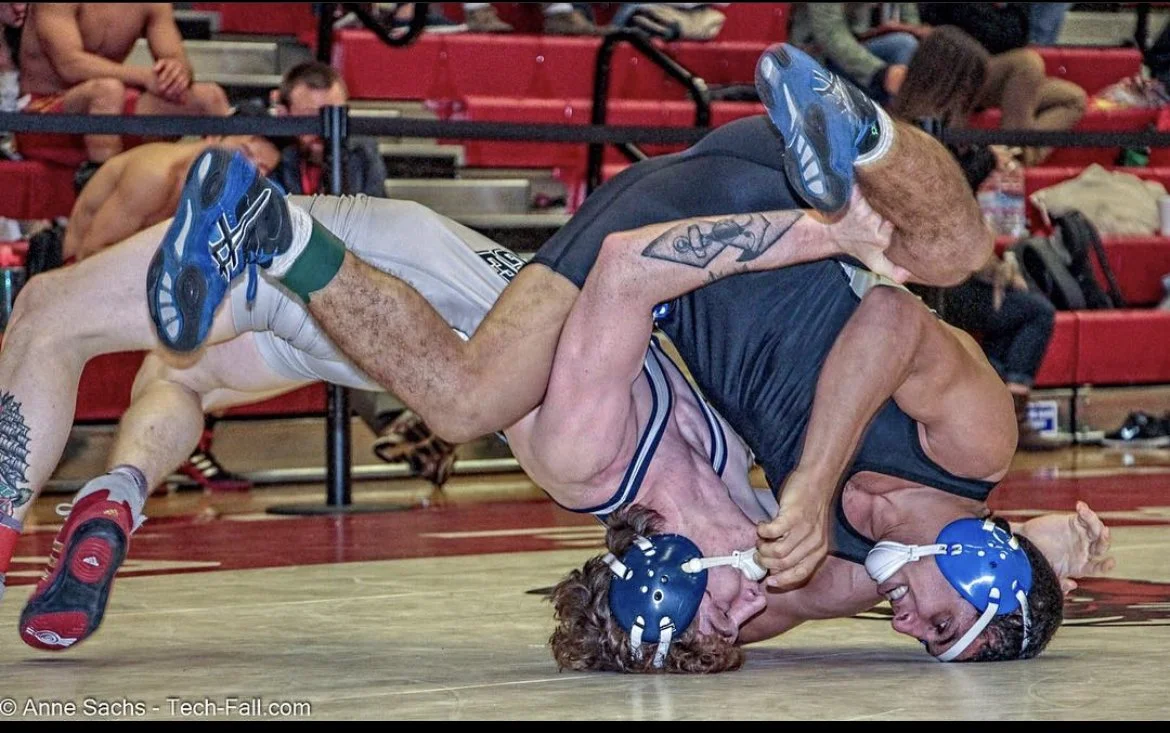
The wrestling coach heard about it and invited him to practice. He did this with all the kids who got into fights.
But Fernando, the wrestling coach, cared for him anyway.
Fernando asked his parents if they’d take Noor in.
They said yes.
Noor says, his voice catching. “He’ll look around and say, ‘Look how incredible this household is. A Hispanic woman (my foster mom), an Iraqi boy, and me, a white guy. What more could you ask for? This is my family.’”
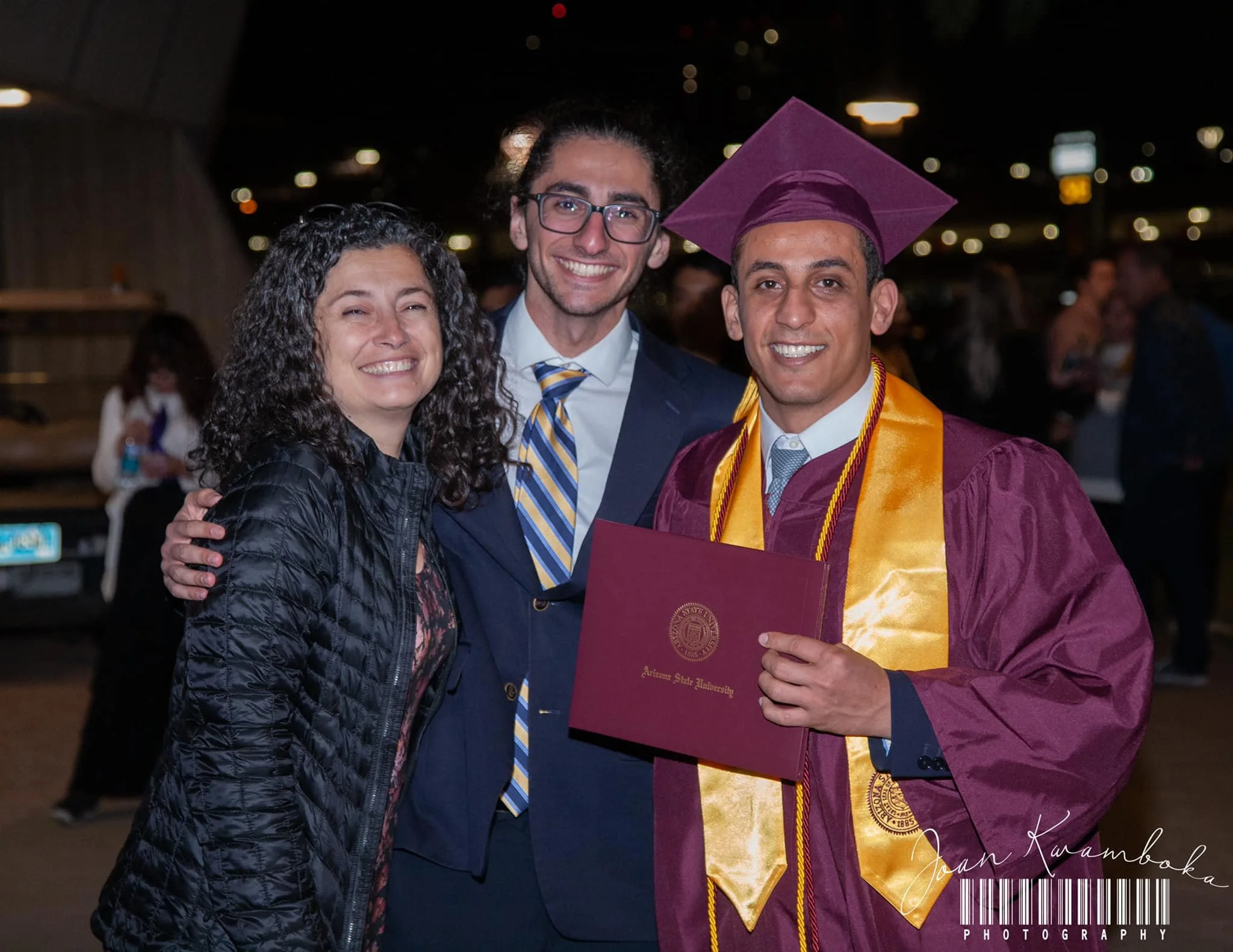
Noor graduated from Arizona State with a 3.9 GPA. He went on to compete on the Iraqi National Wrestling Team. He has lobbied for refugee rights before Congress and continues to be a vocal advocate for displaced communities.
But the thing Noor is most grateful for is simpler than any achievement. “Because of the love my foster family showed me,” he says, “I learned how to love, too.”