
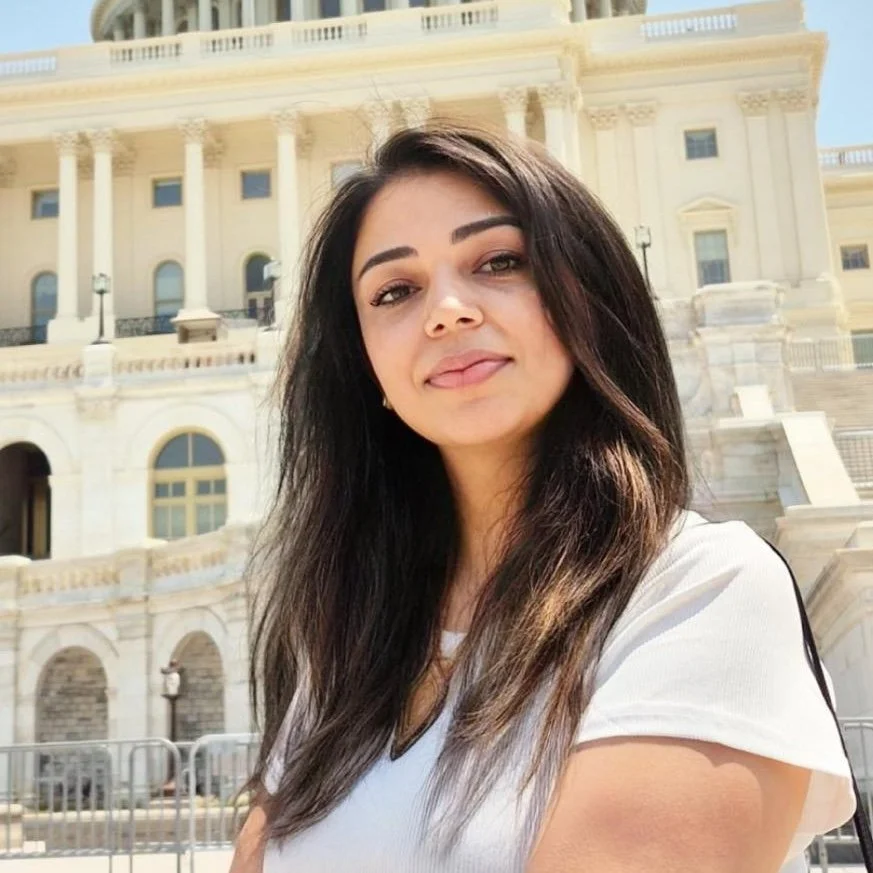
STORAI
Afghanistan
“My generation doesn't give up.”
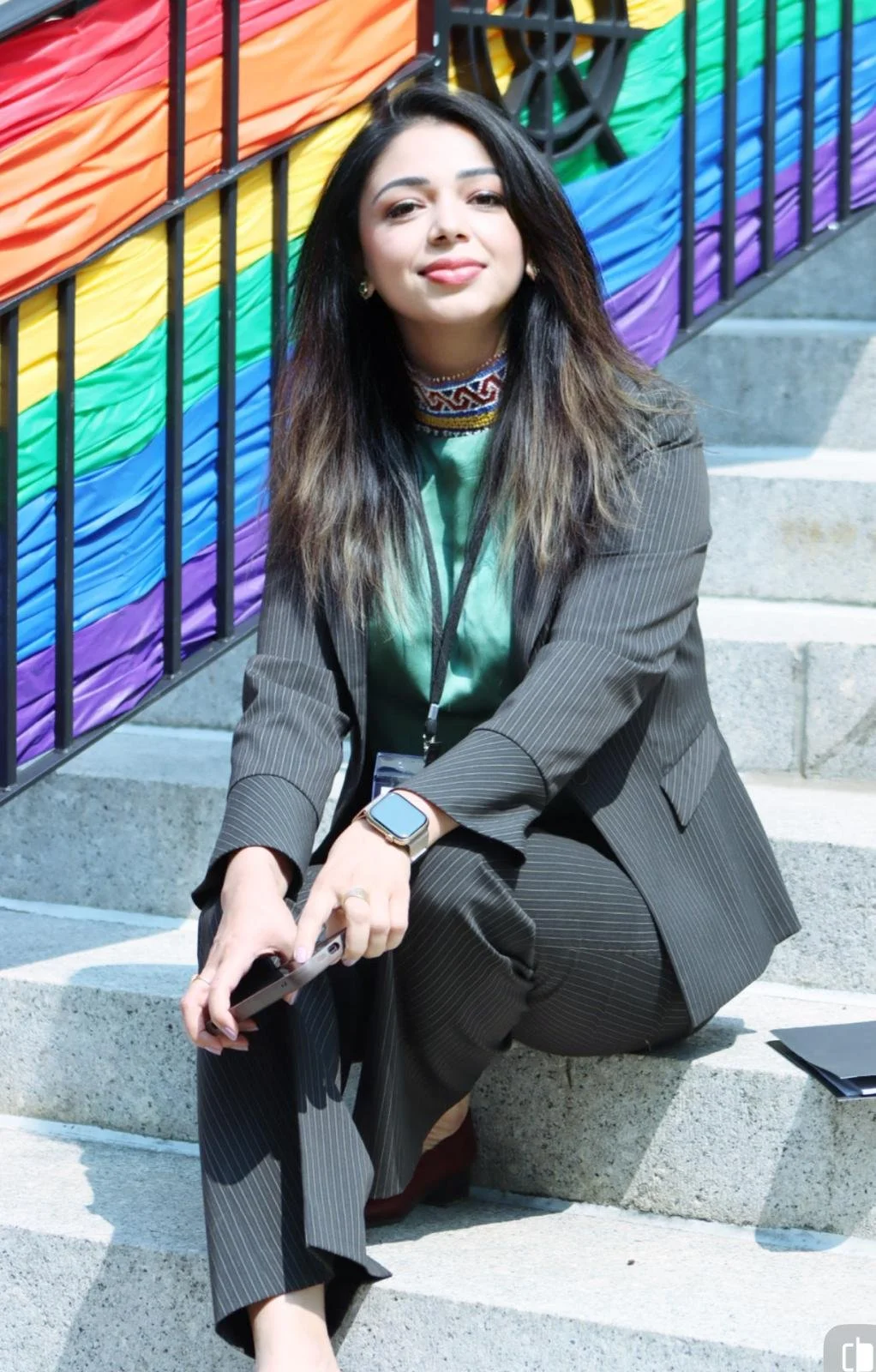
STORAI WAS SIX YEARS OLD WHEN THE TALIBAN TOOK KABUL. It was 1996. Girls' schools ceased to exist overnight. Her family made a courageous choice: they cut her hair, changed her name, and sent her to school as a boy.
For five years, Storai lived a double life. At school, she was a boy. At home, she was a girl. She remembers lowering her voice when the teacher called roll. Playing rough and tumble with the boys on the streets. Going outside whenever she wanted. She was, in the words she would later use, free.
Then 2001 came. The Americans arrived. The Taliban fell. Storai was twelve years old. Her life flipped once more.
Coming back to herself was not simple. She loved the colorful dresses. But the Taliban being gone did not mean everything was different. There was still an invisible perimeter around her life as a girl.
"As a girl, your expectation is that you have to learn how to cook, cover your hair, work on your voice, and not be too visible. There are moments—good moments, I would say delicious moments—and not delicious moments."
With the Americans came possibility. Storai saw women as teachers, doctors, professionals. Women had a voice. They had a vision.
Storai had a voice too. Starting in seventh grade, she wrote. Notebook after notebook—about politics, women's education, studying abroad, returning to Afghanistan with something better. She wrote about the future she intended to build.
She studied law at university. She worked at the Election Commission and founded an NGO for women in democracy. She created micro-businesses to give women an income. Under her name, women gained footholds.
· · ·
On the morning of August 15, 2021, her father came downstairs and told her not to go to work. She went anyway. She had four years of documents at the office, four years bearing her signature. She knew what a signature on an election document would mean to the Taliban men arriving at the city gates. At work, everyone was afraid. She grabbed a black plastic bag, trashed every paper on her desk, took her computer, and left.
It took over eight hours to get home, though she lived only an hour away. The city was chaos—shopkeepers, schools, music studios—everyone destroying evidence of a freedom they used to be able to live.
That week, she watched television reporters swap their suits for traditional dress. She heard rumors that the Taliban were searching houses of people involved in elections, education, democracy. Storai gathered her notebooks—every one, going back to seventh grade—and burned them. Every single page.
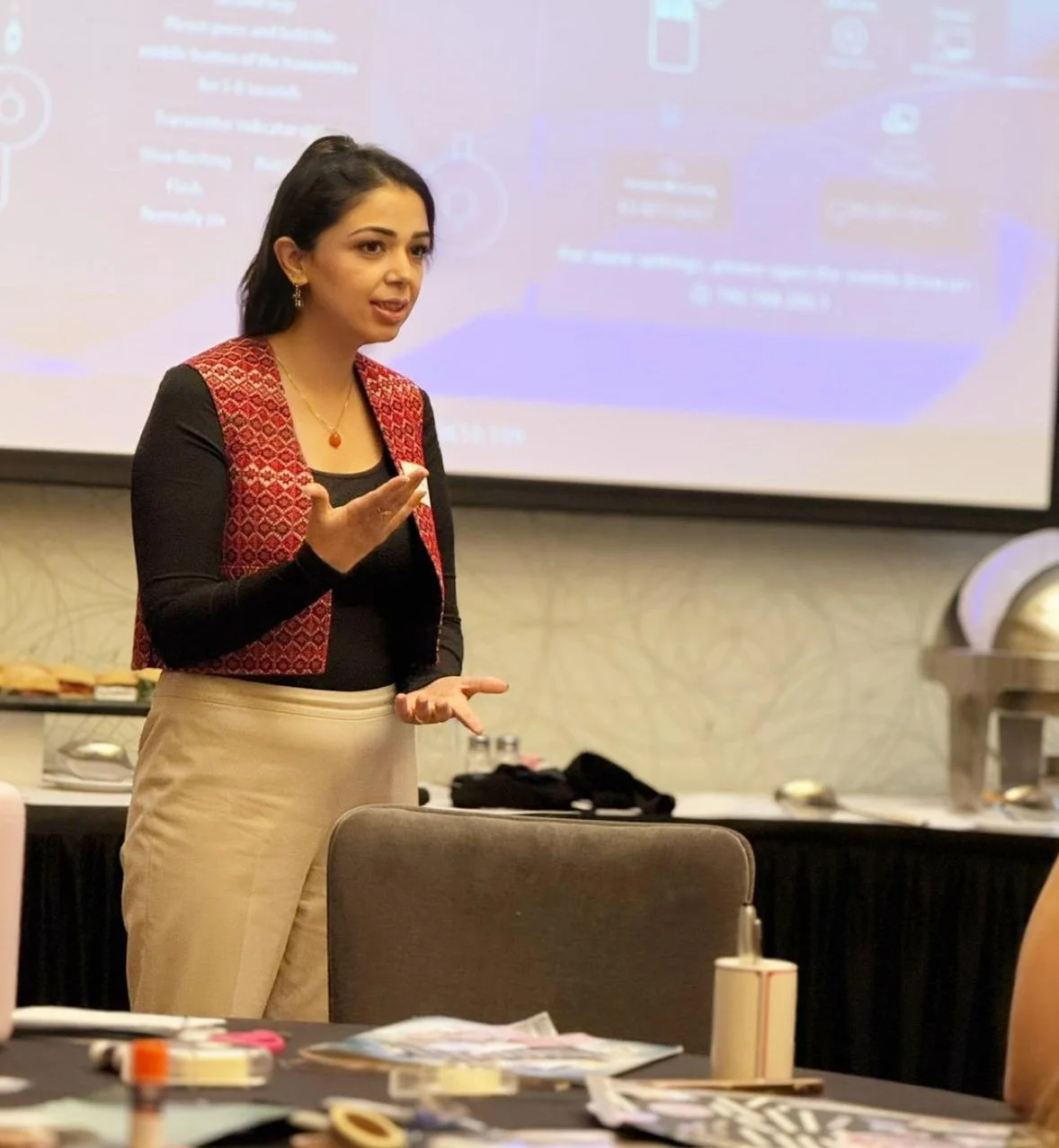
"Those were the hardest moments, trust me. I knew I was going to leave, but I didn't know when and how."
The call came on August 21. She couldn't say a proper goodbye to her parents. She didn't know if she would make it through the thousands of people at the airport. She went. She was turned back the first night. The next day she tried again and made it through.
She didn't know where the plane was going. All she knew was that she was leaving Afghanistan.
"I wanted to travel and go abroad. I didn't want to escape and go abroad."
She found out in Abu Dhabi, when the pilot announced they were circling because the airport hadn't been warned they were coming. She stayed in the refugee camp for fourteen months. The room was white. The food was rice and chicken, three times a day. The air was humid. She developed a rash from the sheets. She became depressed.
"Every day you could hear that somebody did a suicide. Oh, my God, that was sad."
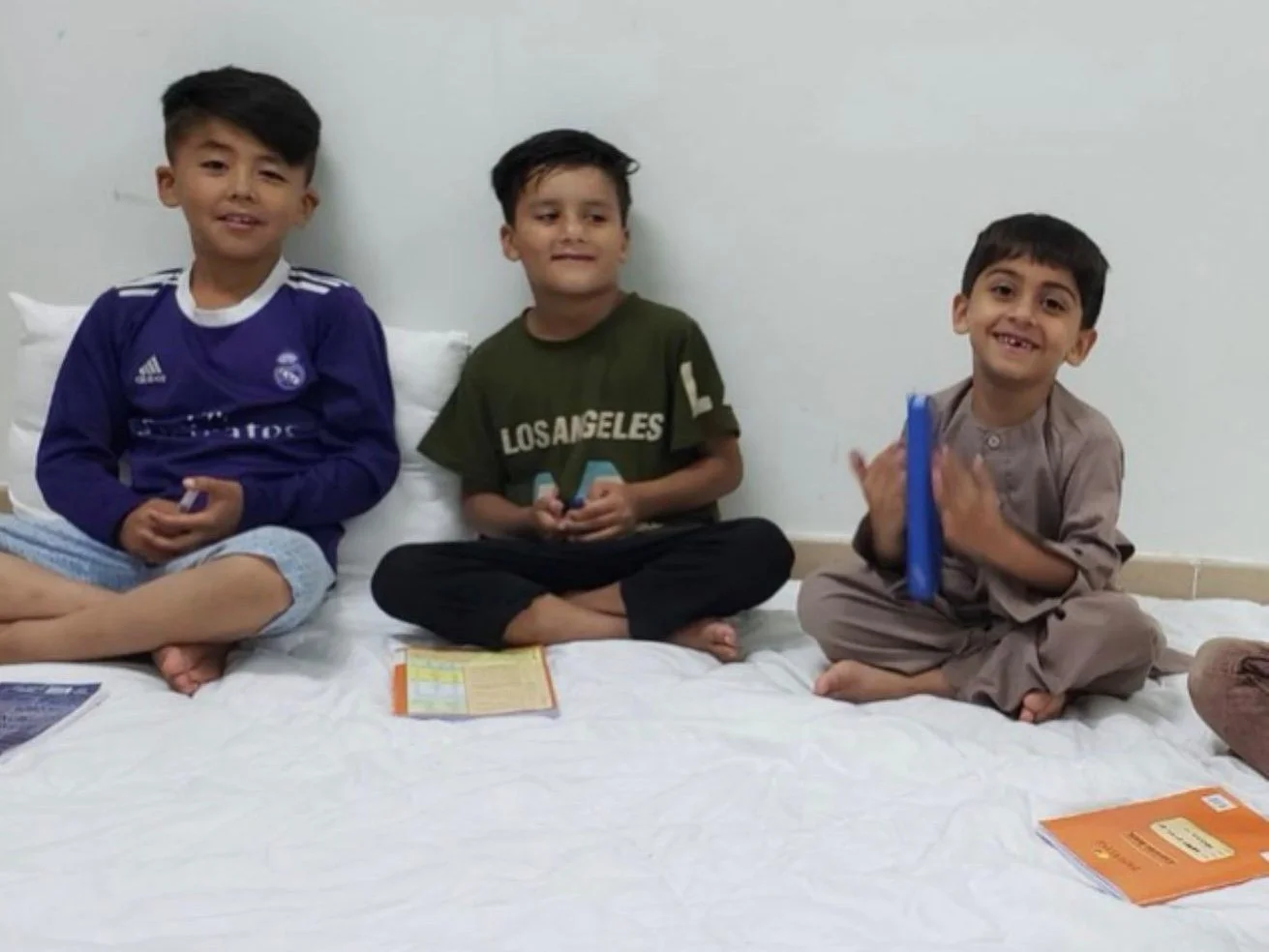
Photo from Storai’s classroom in the Abu Dhabi refugee camp.
She did not want to do anything she would regret. Instead, she made her room a classroom. She invited women and girls from nearby rooms and taught them what she knew: how to use a microwave, how a man saying hello on the street is not a threat, how to answer when someone asks how you are. She taught children the English alphabet. No matter the lesson, the question was always the same. Everyone wanted to know when they were going to leave.
On the fourteenth month, an email arrived. Three days' notice. She was going to the United States.
"I waited 14 months. They took my whole patience. When I heard that news, I was like—okay. Finally."
She flew to Doha, then New York, then Dallas, then Maryland, where her brother was waiting. She slept through the night and into the next day. When she woke and stepped onto the balcony, she saw the sun, the tall trees, felt the wind move through her hair.
She cried. It was the first time she had allowed herself to. Not through the burning notebooks. Not through the long white room. Not through the flight into the unknown. But here, on a balcony in Maryland, it came.
"Within a night, we lost the country. Within a night I left my family. Within a night I made it to Abu Dhabi. And now I'm here. What is going to happen to my future?"
A colleague of her sister's named Sylvia lived in the US. Storai contacted her. Sylvia sent a laptop, introduced her to someone who helped with a resume, and someone else who took her to the library. Storai got a library card. With books in her hands again, she felt something like hope.
There is a young woman in Afghanistan named Nuria who became a widow with children. She is twenty-three years old. She got a job at a restaurant by dressing as a boy to support her family. She was discovered. Nobody knows where she is now. Storai thinks about Nuria often. To buy food, to support her family, Nuria had to hide who she was and wear someone else's identity. Storai knows that fear from the inside.
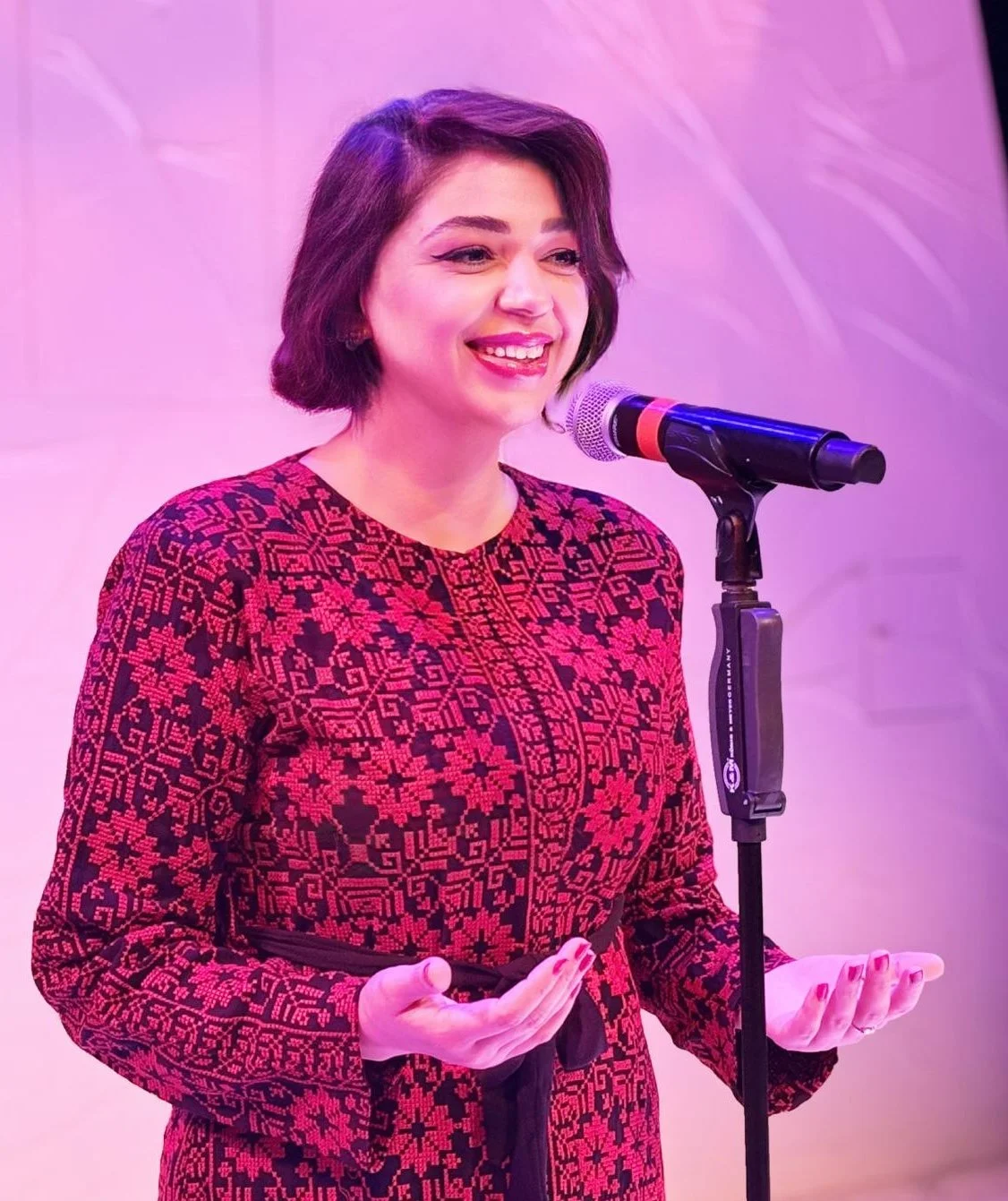
Storai now works with autistic children. She is studying for her TOEFL and applying for a master's degree in education. She is building an online school for girls in Afghanistan who cannot safely leave their houses. She is a member of a storytelling collective in Washington, D.C.
When asked what she would tell a young woman anywhere in the world who might hear her story, Storai thinks of a UNICEF bag she used to watch her brother carry on his shoulder every morning. Blue, with a white tag. She once wrote, in one of the notebooks she would later burn, that UNICEF should give school bags to girls too—even if they weren't going to school yet. One day they're gonna go.
When asked what gives her hope:
"My generation doesn't give up. They really want a free Afghanistan. They really want educated women. They really want freedom. Nobody knows when it's gonna happen, but they do have hope. I have that hope too.”