
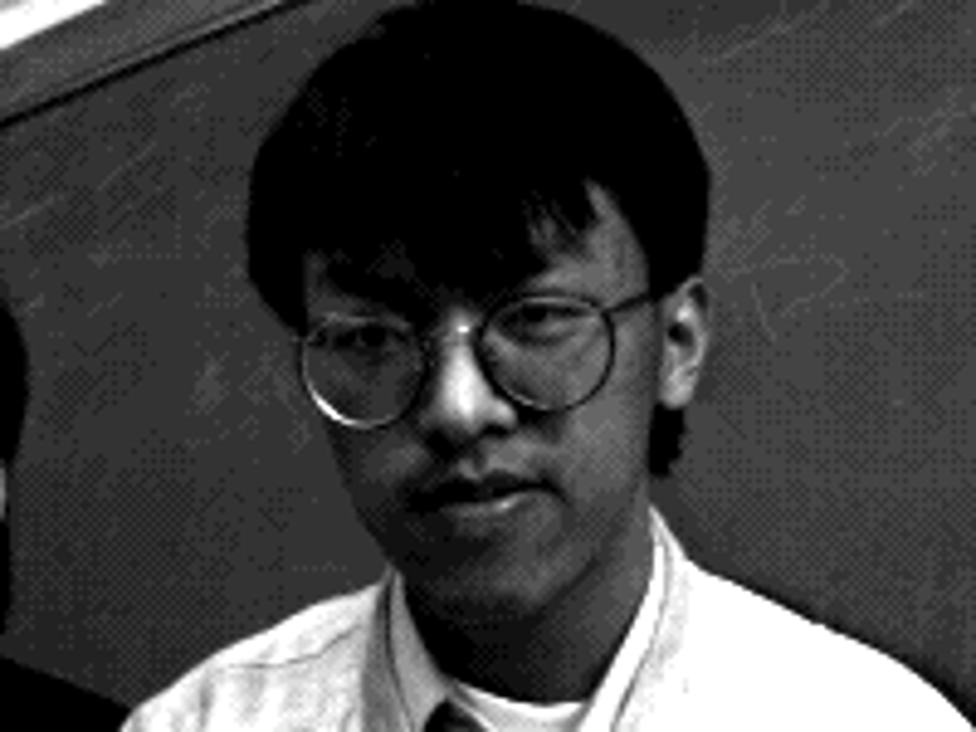
SOPHAL
Vietnam
"There aren't a million stages. But there should be."
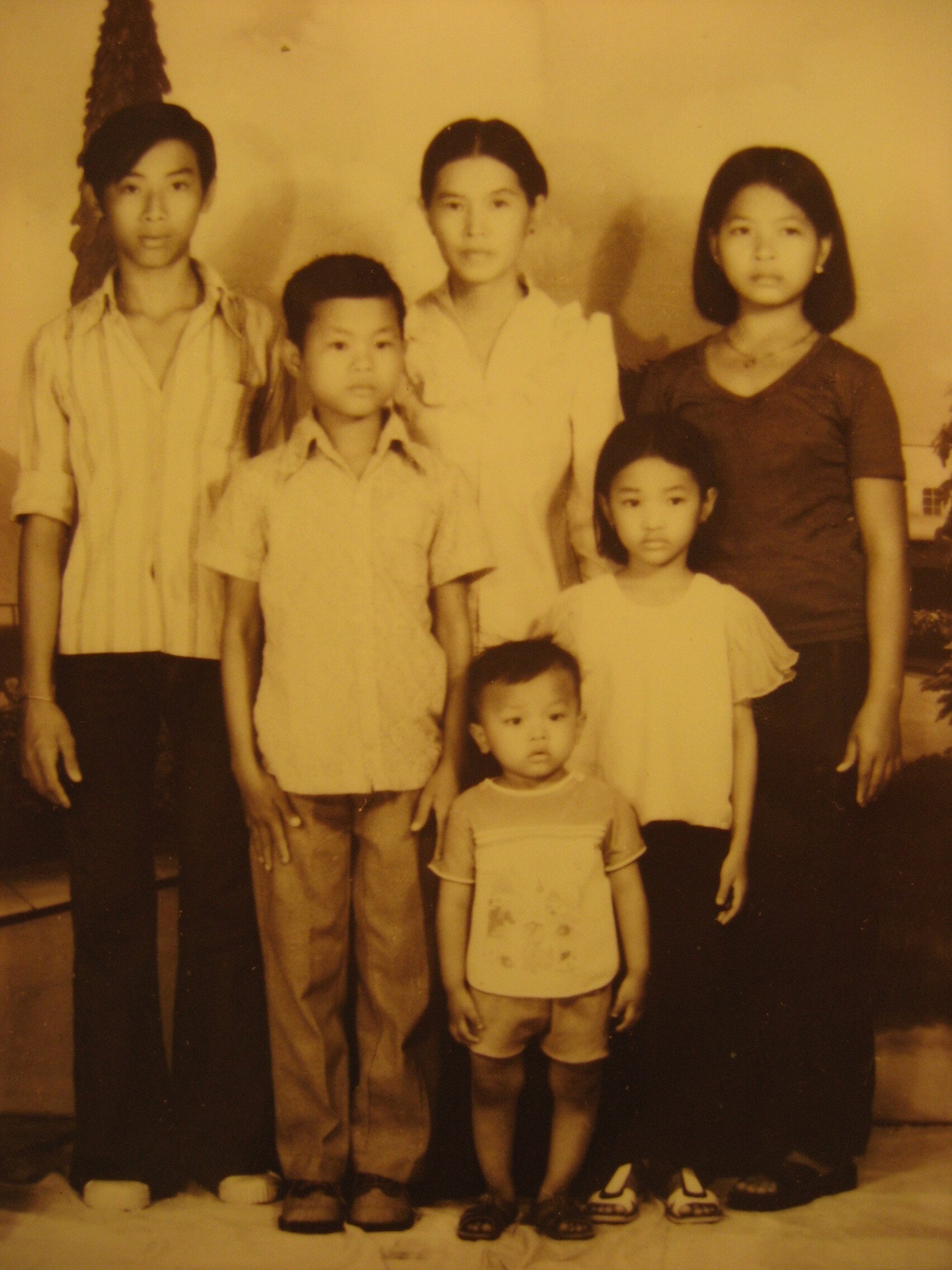
SOPHAL’S FIRST MEMORY IS OF A BOILED EGG ON A PLANE TRAY, SOMEWHERE OVER ASIA. He can't be certain whether this image is genuine or something his mind built later, from a story he's been told so many times it became his own.
The memory came from a flight his family took to France, their first step out of Cambodia after the Khmer Rouge swept into power in 1975. The regime abolished money, blew up the National Bank of Cambodia, closed schools, forced families into rural labor camps, and killed an estimated one and a half to two million people. During those years, Sophal's father died of malnutrition and dysentery. His brother disappeared. He is still missing to this day.
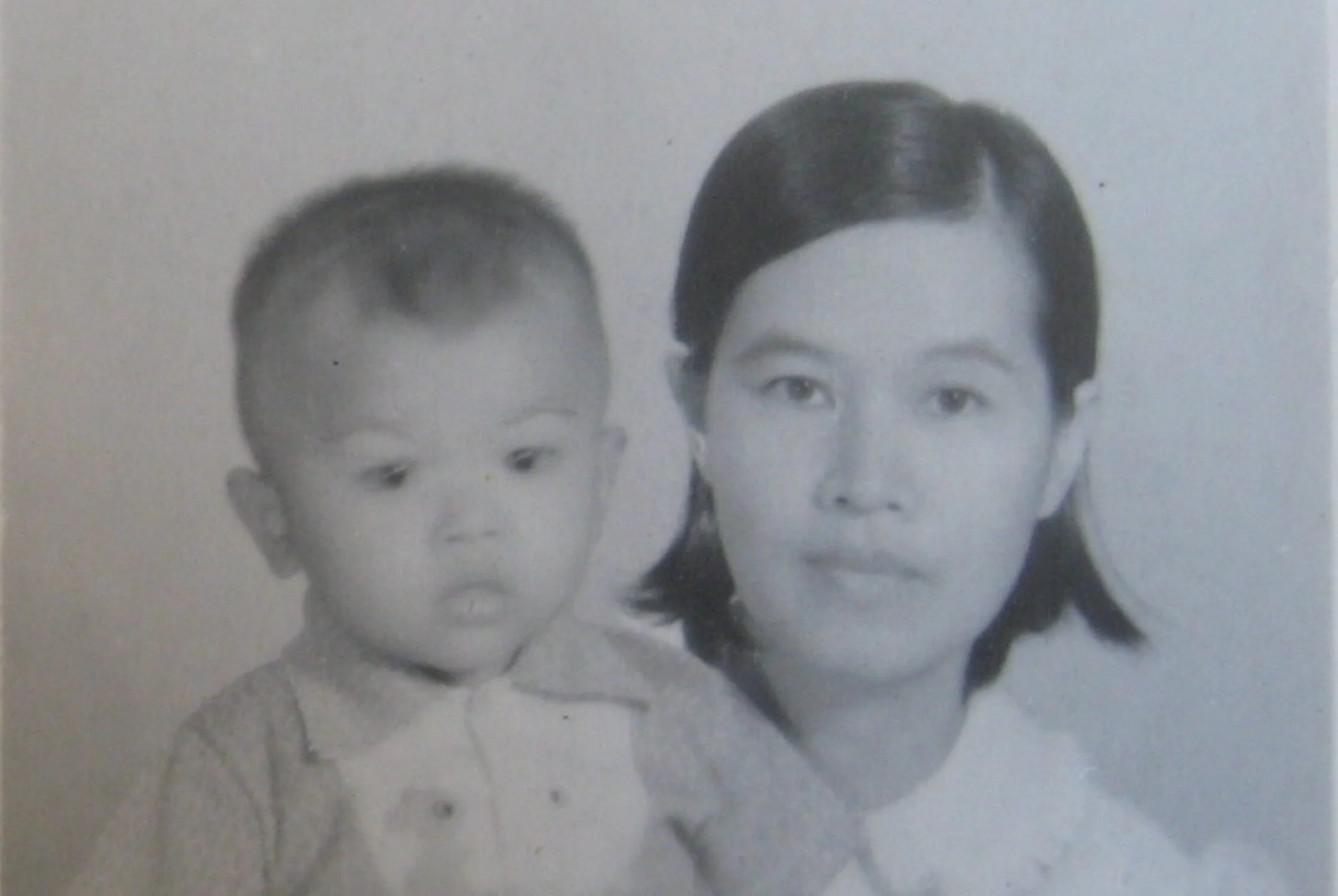
When the regime began granting permission for Vietnamese citizens to leave, Sophal's mother saw her opening. She spoke Vietnamese. She lied at the border, claimed Vietnamese nationality, and passed the two language tests that saved her children's lives. The family escaped first to Vietnam, then eventually to France. Sophal was one year old when they fled Cambodia pretending to be Vietnamese, using language as their passport.
He grew up in France thinking he was French, speaking French and going to French schools. His mother's PTSD came in waves. During her harder stretches, when she was institutionalized, Sophal and his sister were placed with separate French foster families. His foster family, the Anfries, eventually moved to the Netherlands, and Sophal remains in touch with them to this day. They came to his wedding.
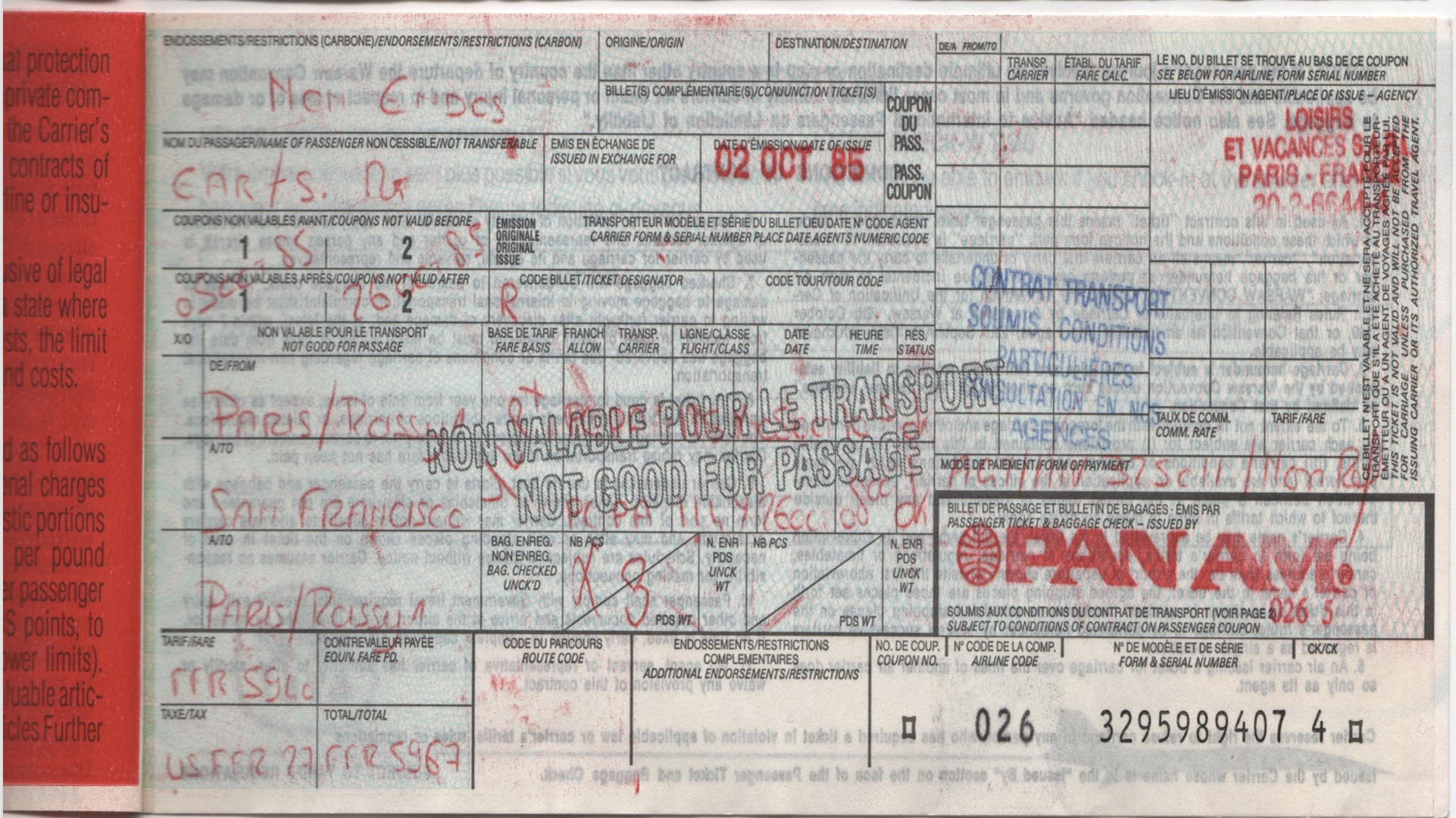
At ten, an aunt in Oakland made it possible for the family to come to America. Sophal’s Pan-Am flight layover was in New York in October 1985, a kid from the Cambodian genocide, raised in France, with no English. He pressed his face to the plane window and looked down at the tall buildings. He had a head full of Starsky and Hutch.
The beginning was hard. For months, his aunt, believing tourist visas meant no school, kept him home. It took his mother shouting one December morning before anything changed. By January 1986, Sophal was in Miss Morrison’s ESL class at Willard Junior High in Berkeley, commuting by BART from Richmond and crossing district lines because Berkeley’s schools were better. One of his first acts in America was to ask Miss Morrison, almost certainly a Democrat, to help him write a letter to Ronald Reagan thanking the president for fighting communism. She helped him write it anyway.
There is a particular kind of luck, Sophal has come to believe, that is made entirely from strangers. In high school, a Vietnamese American counselor sent him to meet the head of UC Berkeley’s Center for Southeast Asian Studies. At that meeting, he was introduced to Bob, a man from Berkeley's admissions office, who wrote his name and phone number on the cover of a University of California application and told Sophal to call if he ever needed help.
Sophal, an inveterate keeper of things, held onto the application until the day he got rejected from Berkeley, while admitted to all other campuses. The other UCs were too far, too expensive, beyond the reach of a family with no car and no money. So he dug out the application and called the number. The man answered, invited him in, and together they wrote an appeal letter. Within weeks, Berkeley reversed its decision in a letter he still keeps.
It would be years before Sophal fully understood who he had called. The man was Bob Laird, who would later become one of the most influential directors of undergraduate admissions in Berkeley’s history, helping guide the university toward holistic admissions after California banned affirmative action.
"I feel very much indebted to Bob for what he was willing to give in that moment, trusting the process and giving this kid a chance."
While still at Berkeley, a summer institute at Princeton opened the next door. Later came graduate school at Princeton’s Woodrow Wilson School (now the School of Public and International Affairs), and eventually a PhD in political science from UC Berkeley. Then, despite having explicitly promised his department he would never become a professor, tenure at Occidental College and later a professorship at ASU's Thunderbird School of Global Management, where he teaches global affairs and ends every in-person course with a karaoke potluck.
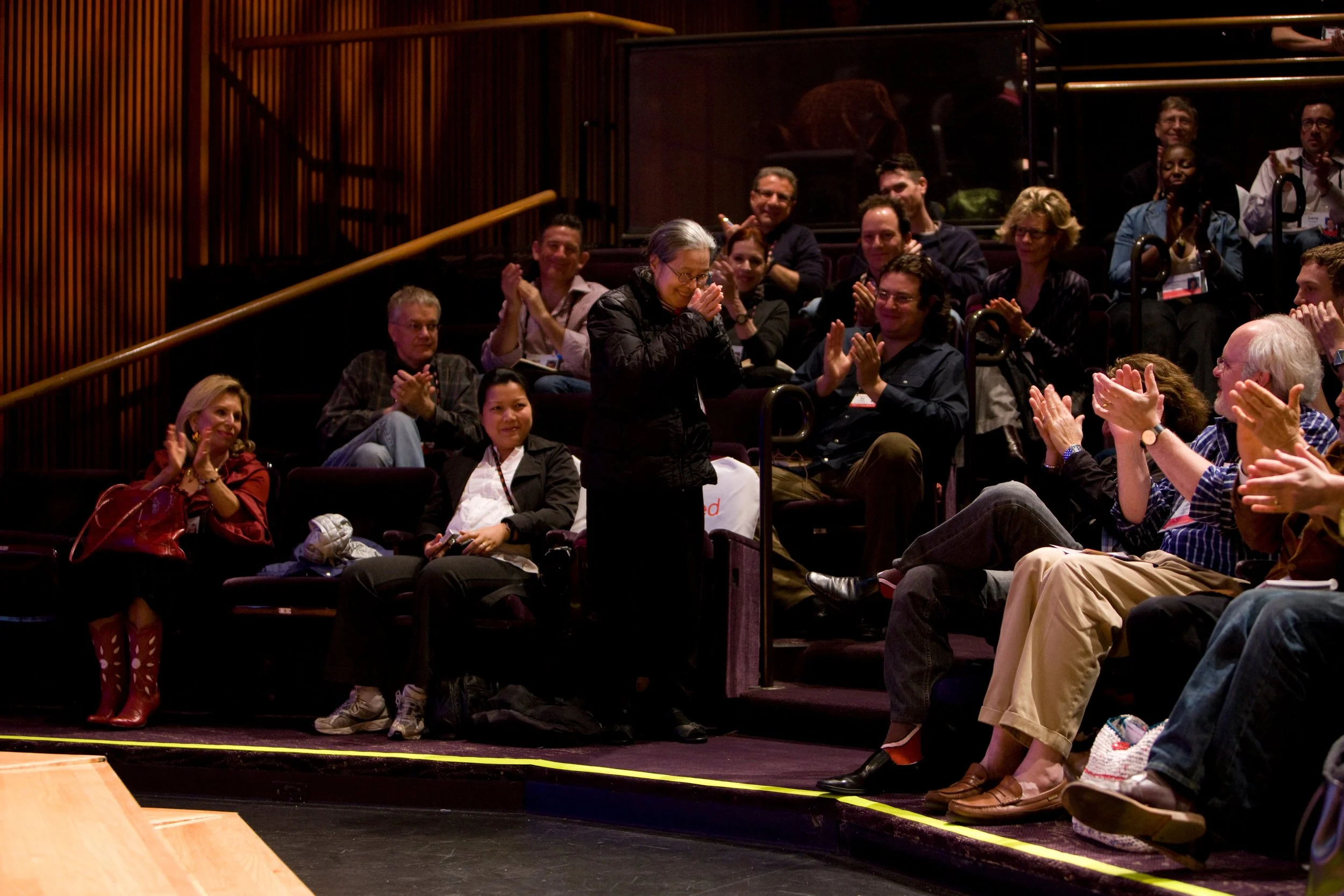
In 2009, he stood on the TED stage in Long Beach and told his family’s story in six minutes: his father's death, his brother's disappearance, his mother's lie at the border. At the end of the talk, his mother rose from the audience to a standing ovation. The night before, he'd had dinner at a nearby restaurant. His server was a young Cambodian American woman whose family had also escaped through Vietnam, whose life had rhymed so closely with his own. He has thought about her often since: why not her on the TED stage, there but for the grace of God.
"You're representing not just your own story, but the stories of thousands of people whose lives are shaped by conflict, trauma, genocide. But then you're the only one who gets the chance. Because there's not a million stages for people."
He lives now with his wife and four children. He tries to give them perspective without burdening them with it. He doesn't always succeed, they still want the new Nike drop, still need their McFlurry. He grew up without a father and now parents without a template.
"Growing up without a dad," he says quietly, "I can never truly reference my own fatherhood in any way, shape or form with my own experience. Because it's missing."
In the summer of 1994, during Princeton’s Junior Summer Institute, Sophal sat in a seminar room as the only person who still believed in the American Dream. His classmates said it was dead. But Sophal had just opened his first bank account, Princeton had walked him to Sovereign Bank to deposit his stipend. He had arrived there as a refugee kid who once couldn't speak English.
When everyone said it was over, he thought: How can that be true? We're sitting here.
He knows luck played a role. Strangers played a role. A counselor who sent him to Berkeley. A scrap of paper with a phone number. A man who answered when he called. His life, he says, is made of those moments, and he knows that millions of people carry stories just like his, who endured the same wars and the same losses, and never end up on a stage.
"There aren't a million stages. But there should be."
When he thinks about the ten-year-old stepping off that plane, he doesn't offer a grand promise. Just something simpler: that it is worth dreaming with your eyes open. That if you are willing to work, to accept help, and to help others when your turn comes, doors open.
Sometimes a stranger answers the phone.
And sometimes a life unfolds in ways you never could have imagined.