
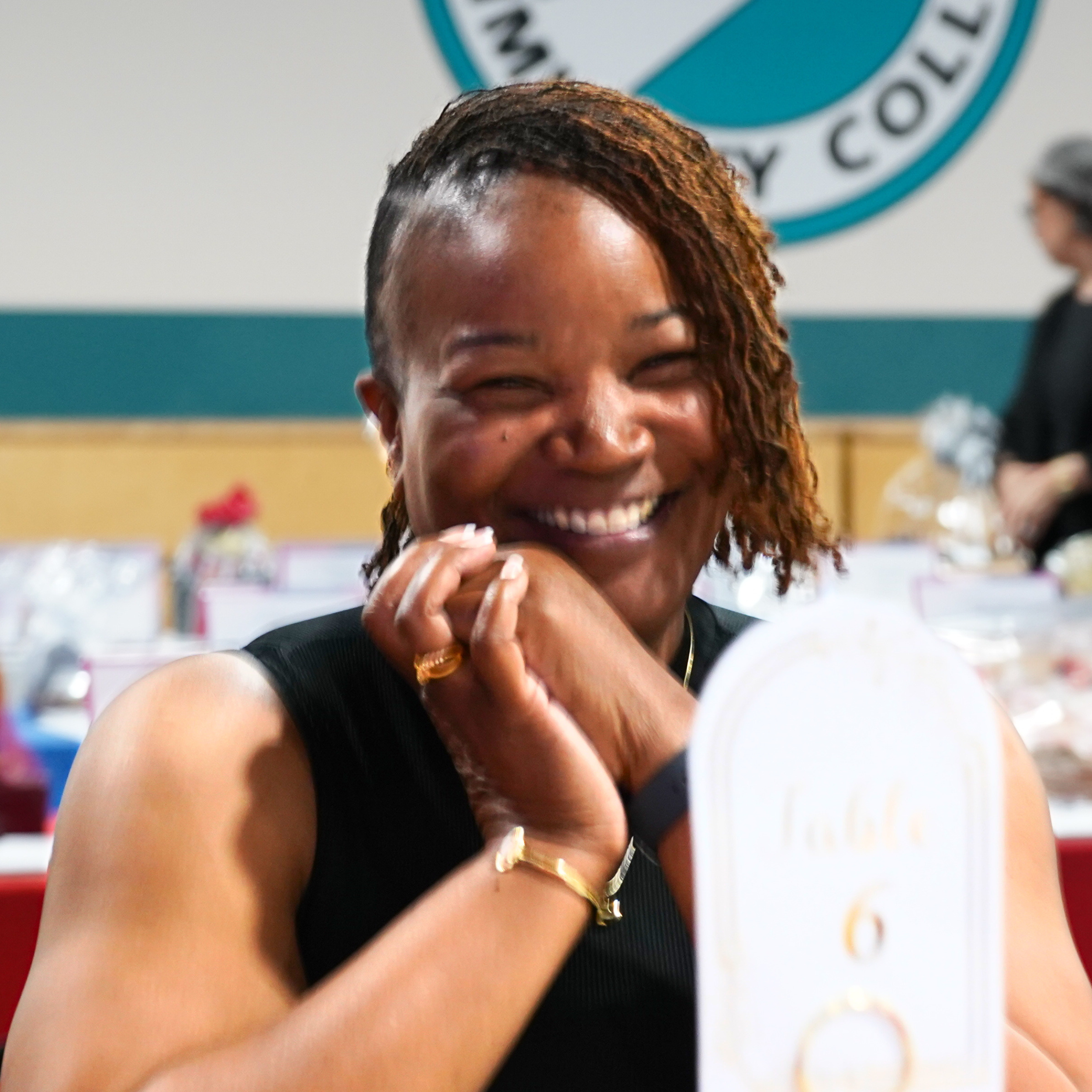
SHELIA
Afghanistan
“I wasn’t the same person I was before I got on that plane”
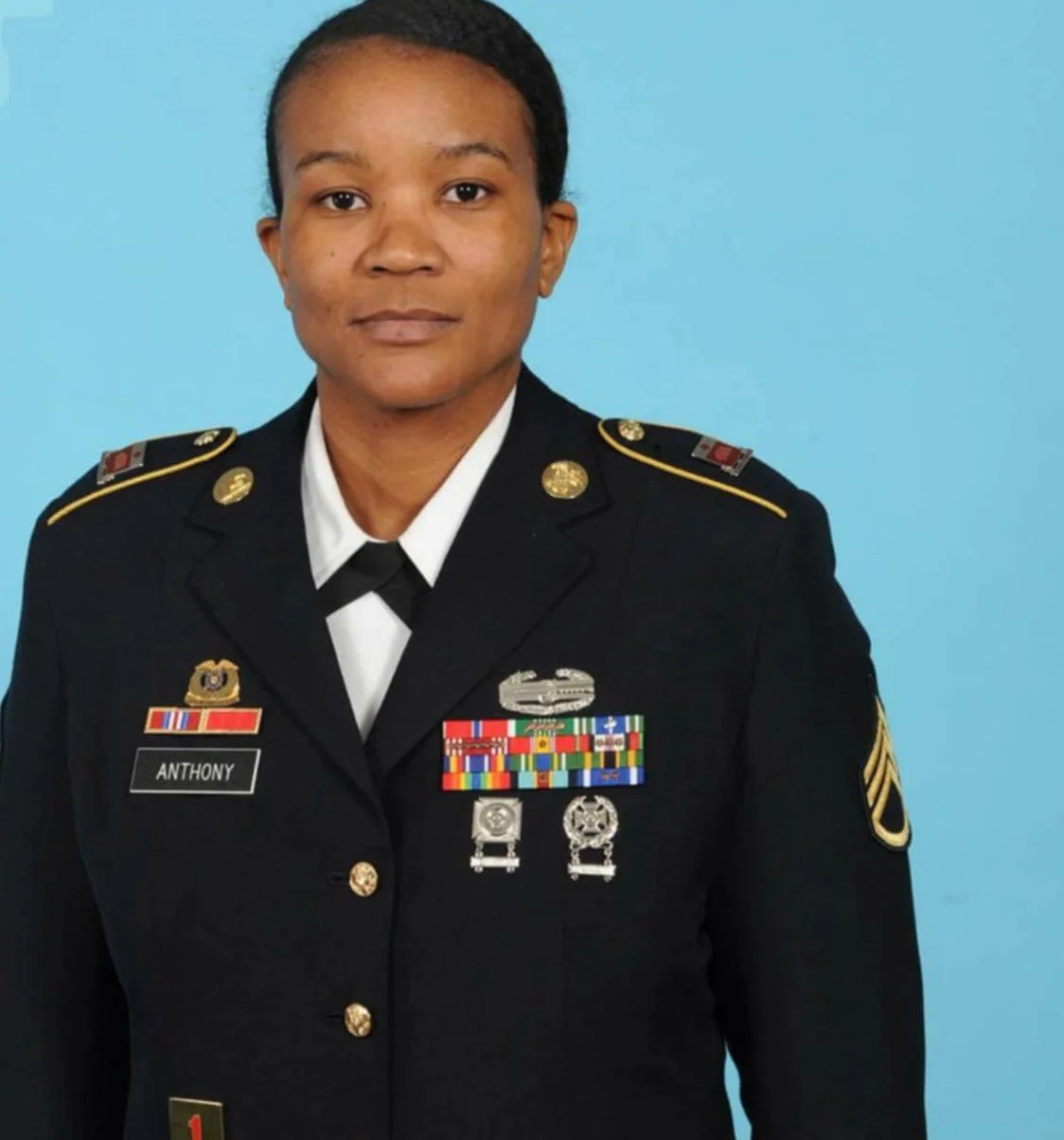
“IF IT’S MY TIME, IT’S MY TIME.”
That’s what Shelia told herself before getting on the plane to Afghanistan. She was a single mother. She hadn’t received the proper training for deployment. And she had no real idea what she was walking into — only what she had seen in movies. But she got on the plane anyway.
Shelia was seventeen when she joined the National Guard, still a junior in high school and without a clear sense of direction. There wasn’t a dramatic calling or a long-held dream of service.
“I don’t have a great story,” she explains. “I pretty much had nothing else going on,” she says.
Her father had served in the Air Force, and her family was supportive of her decision, so joining the military felt like a natural next step. After graduating, she transitioned into active duty, stepping fully into military life. Before deployment, her understanding of being deployed was shaped more by war movies than reality. She pictured camaraderie, structure, and connection—“your little village,” as she describes it.
Even after 9/11, she remained in units that weren’t deploying. When orders finally came through, everything moved quickly. Training was minimal and rushed, leaving her with little real preparation. She entered Afghanistan with no clear expectations beyond what she had seen on screen, trying to cover a deep sense of fear.
At the time, she was also a single parent. Leaving her son behind added another emotional weight to a situation already filled with uncertainty. Still, she boarded the plane, telling herself, “If it’s my time, it’s my time. I can die here in a car accident or I can die downrange – but if it’s my time, I can’t prevent it.”
Her first assignment brought her to Jalalabad, and soon after, she was sent to a forward operating base in a more volatile area, replacing a sergeant who had been unable to continue. Suddenly, she was responsible not only for herself but for an entire operation in a high-risk environment. She was a staff sergeant running a dining facility with just four soldiers under her command, alongside more than twenty Afghan workers. The expectations were relentless: a 24-hour operation in a combat zone, ensuring that soldiers returning from patrol always had access to hot food.
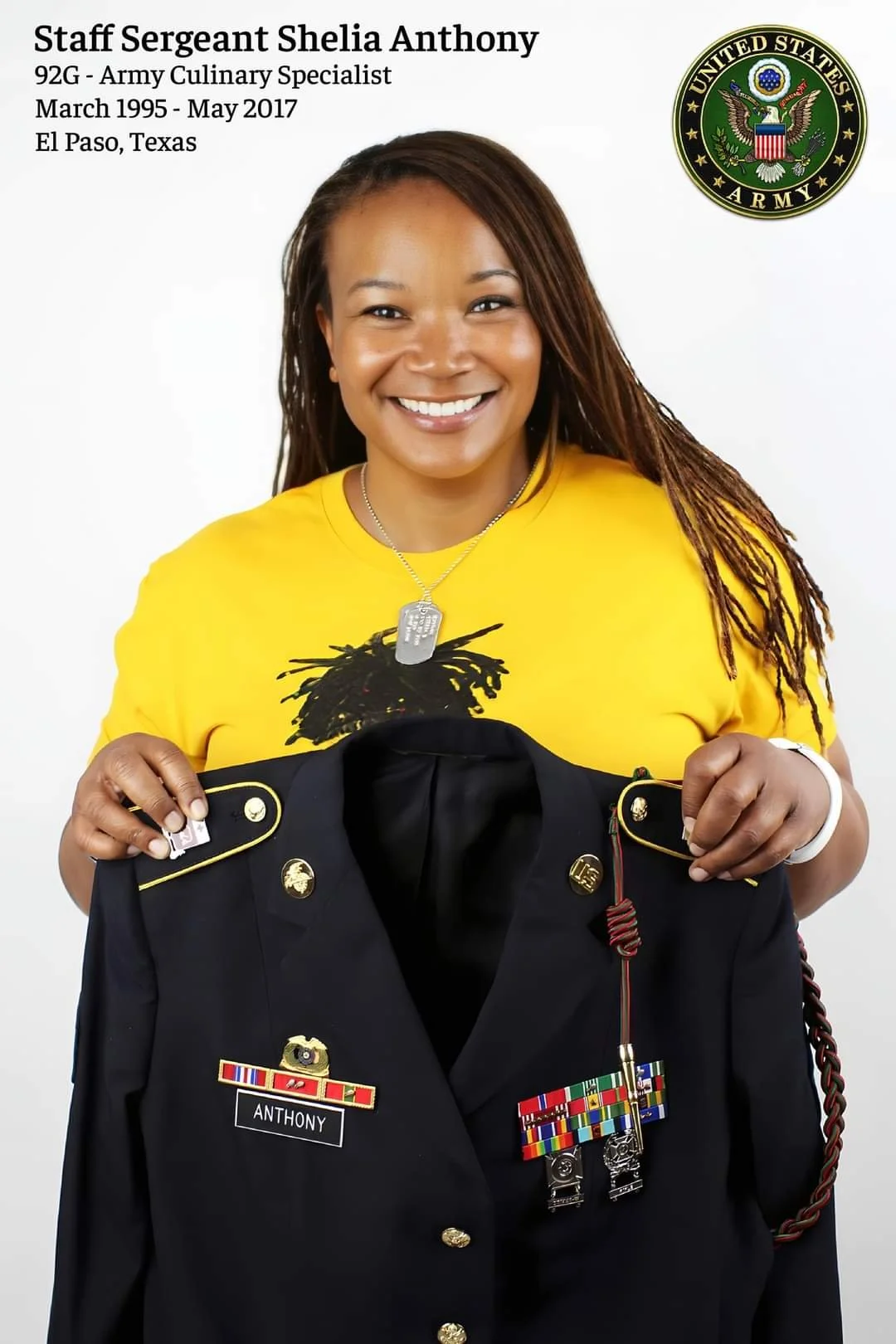
From the beginning, she had to adapt quickly and assert authority in an environment where she stood out in multiple ways. She was the only female non-commissioned officer on the base, and she was Black—both of which shaped how she was perceived.
“They were downloading the ration tucks and one of the Afghans stole a pack of hot dogs. And I was thinking, I can’t allow this to happen. So we went down to the village and found his boss and told him that he needs to give me back my hot dogs. After that, the Afghans were like ‘sister, we are so proud of you.’ I realized then that I had a voice,” she remembers.
Her relationships with the Afghan workers were, in many ways, defined by mutual respect. She approached them the same way she approached her soldiers: directly, fairly, and without assumptions. “If you’re a good person, you’re a good person,” she says.
She ensured they were treated well, sharing extra rations when possible and maintaining a sense of consistency in how she communicated and led. Over time, those relationships became an important part of her experience there. But adjusting to deployment came with its challenges. Without adequate training for combat conditions, she initially struggled to process the constant sounds of war. Rounds would go off regularly, and at first, she didn’t understand how others seemed so calm.
“I would be looking around like—why is nobody running for cover?” she explains.
Eventually, someone explained that survival depended on learning to distinguish between different types of sounds, knowing which ones signaled immediate danger and which did not. Once she understood that, she was able to sleep more easily, at least for a time. But the adaptation came with a cost. Even after returning home, her body remained conditioned to those sounds.
“I found a noise machine that resembled the sounds of war,” she says. “That’s the only way I could sleep… and it shouldn’t be.”
The transition back to civilian life was anything but smooth. When she returned home during leave, she didn’t have the space to rest or process what she had experienced. Instead, she was immediately pulled into helping her family, including physically moving her mother between apartments.
“I had been shot at and did everything I could to stay alive,” she says.
At the same time, she chose not to share the details of what she had gone through. She didn’t want to burden her family, but suppressing those experiences began to take a toll. Without the opportunity to decompress, the stress carried forward into her daily life.
Over time, people around her began to notice changes. She was more irritable and more guarded. She didn’t see it at first.
“I didn’t think I had changed,” she says. But the signs were there: snapping at people, holding everything internally, struggling to regulate her emotions. It wasn’t until after she retired that she fully acknowledged the shift.
“I wasn’t the same person I was before I got on that plane,” Sheila says.
She describes holding everything close to her chest, a habit that continues even now. At the end of the day, she often sits in her car, not quite ready to transition from one set of responsibilities to another.
“I just sit there and decompress—from work, from my son, from everything,” she says.
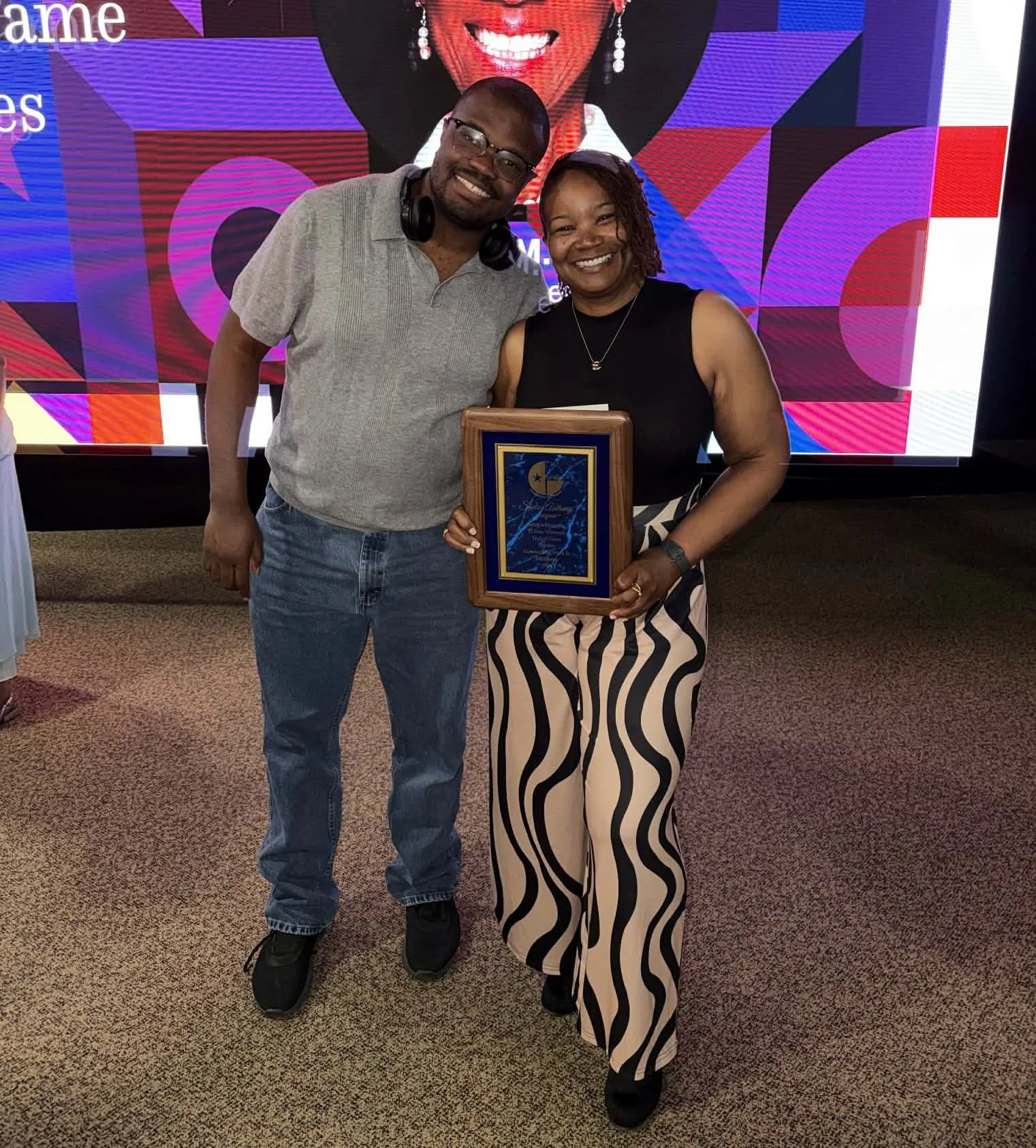
Shelia and her son Dantee
Her son, who has special needs, became both a source of love and a reflection of the challenges she was facing. During one particularly difficult period, she realized she was directing her frustration toward him. That realization prompted a turning point. She sought help through the VA, beginning therapy and medication to manage her anxiety and anger.
A major part of her healing came through peer support groups, something she had initially resisted. At first, she had no interest in participating, attending only out of obligation and keeping her distance. But over time, simply being present, listening, and gradually opening up began to shift something within her.
“I started noticing a change in me,” she says. “I was able to get a lot of weight off my shoulders.”
These groups provided a space where she could speak openly without judgment, surrounded by people who understood her experiences. The impact extended beyond her own healing. As she became more engaged, her relationship with her son improved. She was less reactive, more communicative, and better able to support him. She even encouraged him to join peer support groups designed for children of veterans, giving him a space to process his own experiences.
Now, she strongly advocates for these groups, both professionally and personally. She has seen firsthand how they can help people stabilize, connect, and rebuild.
Her time in Afghanistan continues to shape Shelia’s life in other ways.
Years after her deployment, the relationships she formed in Afghanistan resurfaced in unexpected ways. She began receiving messages from an Afghan colleague she had worked with, who was in danger following the U.S. withdrawal. They reached out through social media, sending documentation and asking for help. She did what she could, passing information to contacts, but the limits of her ability to intervene weighed heavily on her.
“I felt so bad because I couldn’t do more,” she says.
Her experience being deployed has also shaped her worldviews, particularly when it comes to how others are judged.
“When I see people judging all Afghans as evil or Taliban,” she says, “how is that any different than thinking all Black people are thugs and criminals?”
For her, the answer isn’t abstract.
It comes from living alongside people, working with them, relying on them—seeing them not as headlines, but as individuals.
It’s something she carries with her still.