NATHALIE
Syria | California, USA
“I discovered a resilience in myself I didn't know existed.”
EVERY SUNDAY, NATHALIE WENT TO HER GRANDFATHER’S HOUSE TO LEARN ARMENIAN. They sat at the living room table, surrounded by stacks of records and his magnificent golden record player. He played songs from his youth—melodies heavy with the history, beauty, and heartache of the Armenian people. Then he opened Armenian schoolbooks and read aloud. Nathalie repeated each word after him, carefully. He wanted his grandchildren to be proud of their Christian Armenian heritage—a heritage that had survived even after the Turks forced their family from their homeland.
In Homs, Syria, her grandfather built a full life for the family. Christians and Muslims lived side by side, neighbors from different countries sharing the same streets.
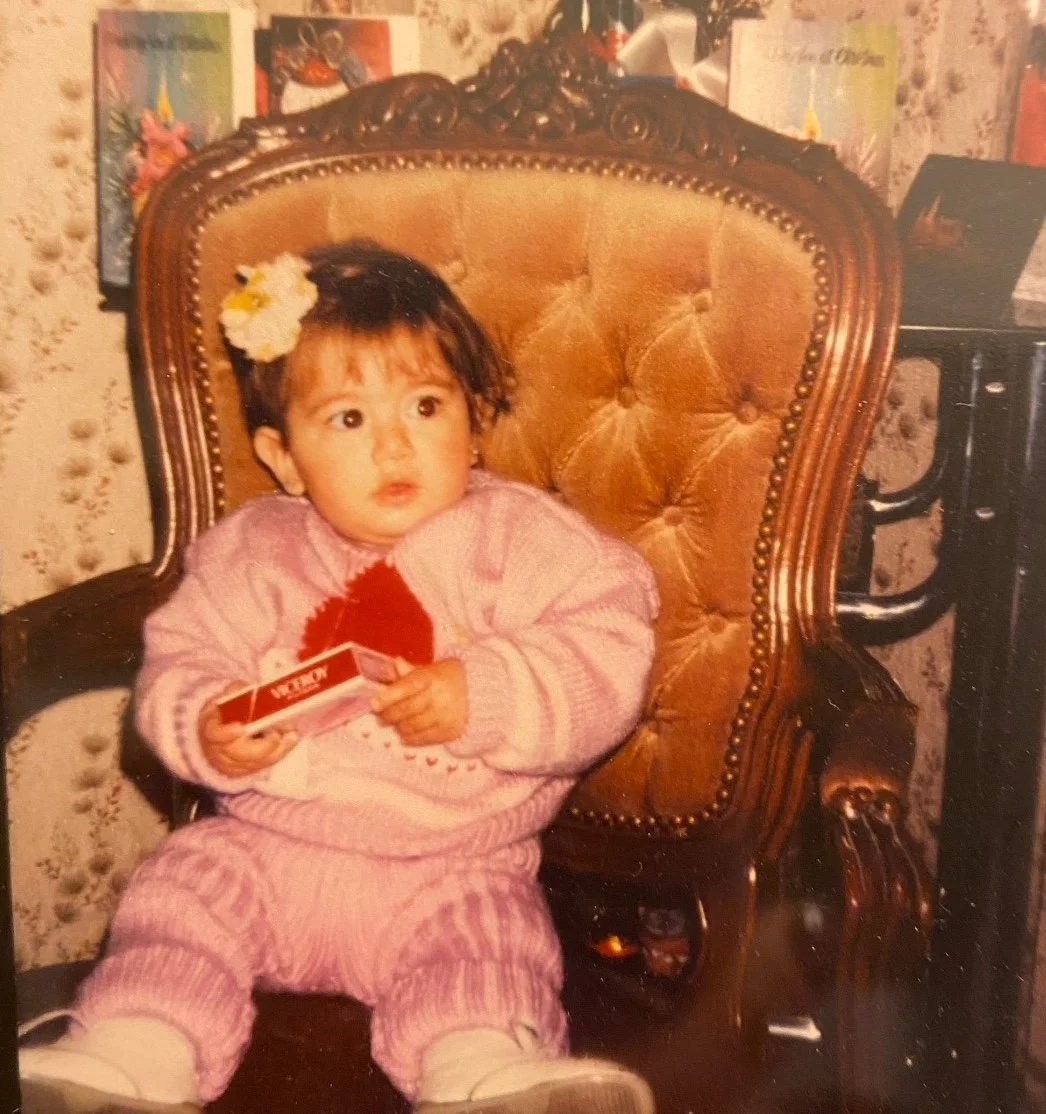
Nathalie was the youngest of four, born seven years after the others—a delightful mistake. By then her parents were exhausted, but deeply loving.
She grew up outside, riding bikes, scooters, and laying in the street with neighborhood kids. Some girls wore hijabs. Others wore jeans and shorts. It didn’t matter—they were just children.
Years later, Nathalie was working as a makeup artist in a department store when the news of the war broke. She looked up at the television and watched the Arab Spring unfold in real time. The images felt unreal—so far from the beauty and art that had shaped her life. She knew, standing there, that everything was about to change.
The war reached Homs before Aleppo. Her childhood began to be repurposed.
Her elementary school was turned into a hospital for injured soldiers. Her grandfather’s house and factories were burned. Everything was stolen—down to the tiles on the floor.
Nothing was left. Except her uncle’s body, lying in blood on what remained of the ground.
When the violence escalated in Aleppo, Nathalie had to stop lecturing at the university. Bombs fell too often. The family turned up the music to drown out the sound, even though music couldn’t protect them from what was happening outside.
Leaving the city grew harder by the day.
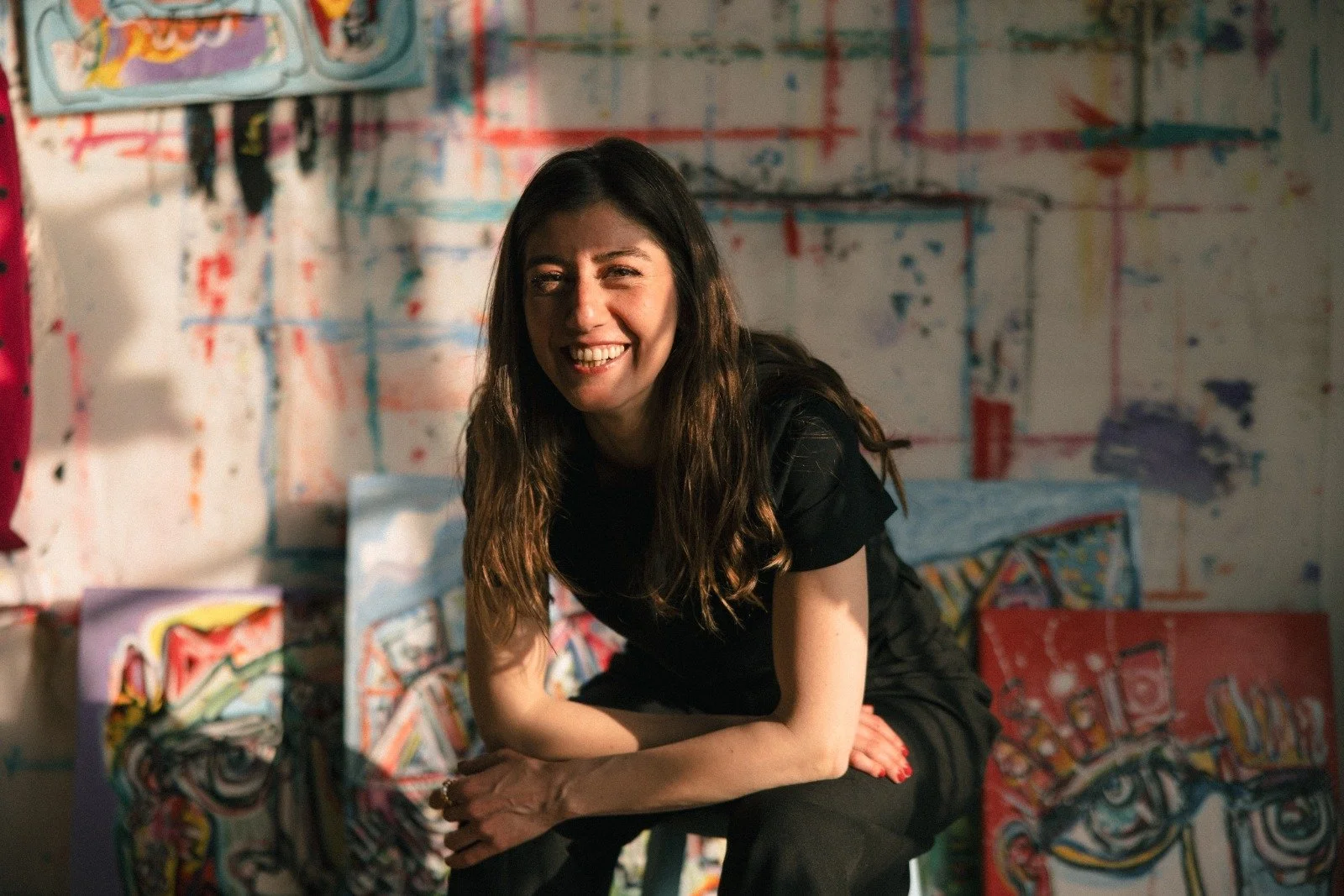
Roads were blocked by checkpoints. Gas was scarce. Buses were rare. To fight despair, Nathalie co-founded Art Camp with other artists. They transformed public spaces in their war-torn city, filling them with color and life. They refused to let hope disappear.
One day, a college friend told her there was a bus leaving for Homs in five days. It felt like the last chance. Nathalie packed up her apartment and her art studio of seven years in five days.
Homs was unrecognizable. The markets. Her grandfather’s home. The factories. All rubble. Once known as the city of jokesters, Homs was now impossible to laugh in. Natalie fell into a deep depression.
Not long after, she was invited to do art therapy with refugees displaced from border towns. Schools, mosques, and churches had become shelters. Families slept on the floor. The grief often brought her to tears—but so did the way people created together, even in ruin. Art, community, and creation gave her hope again.
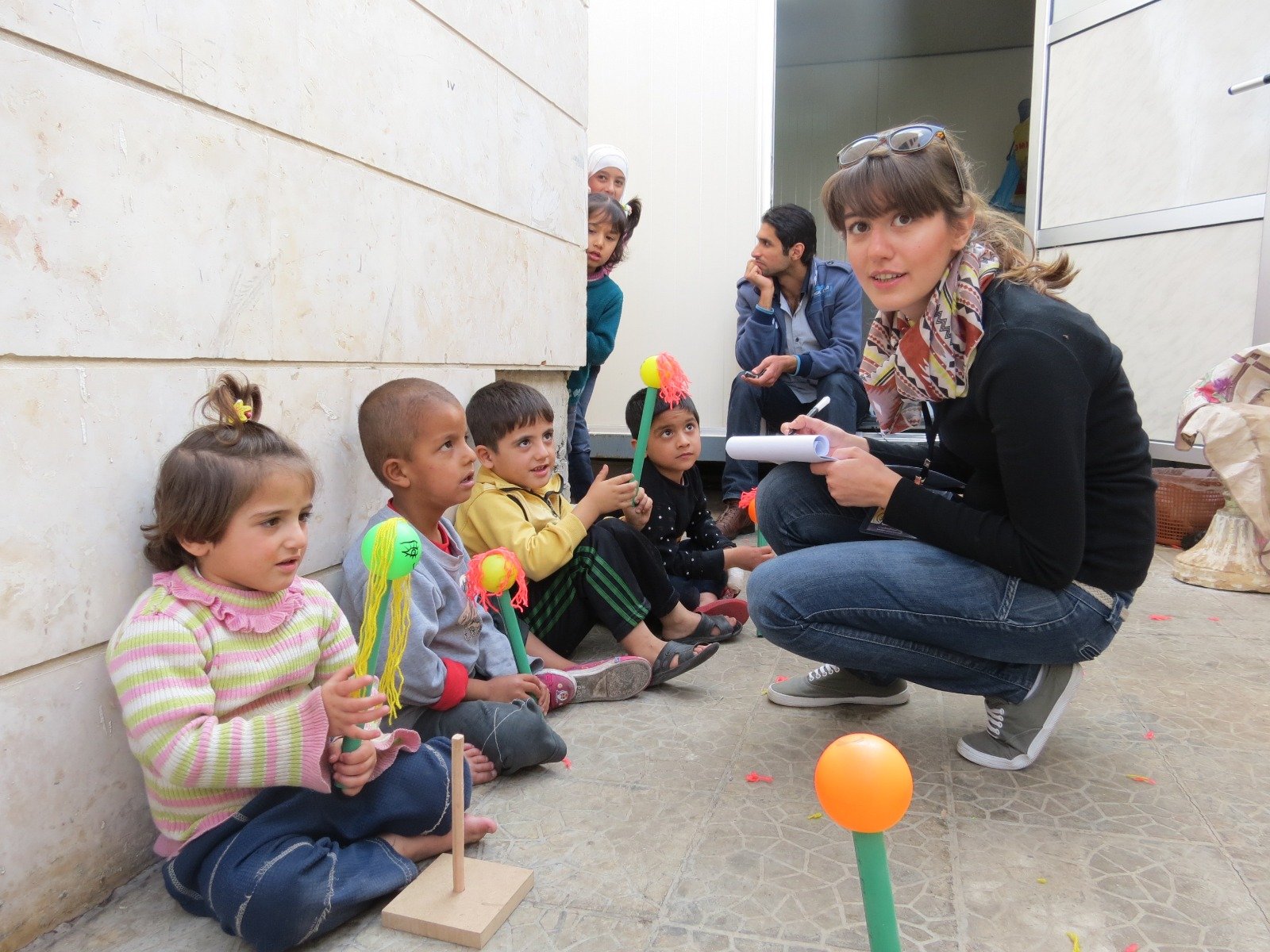
Nathalie leading art therapy with refugees.
Still, it didn’t feel like enough. Nathalie began dreaming of coming to the United States to learn filmmaking—to tell the truth of war and displacement. She applied for a visa. It was accepted. Everything changed again.
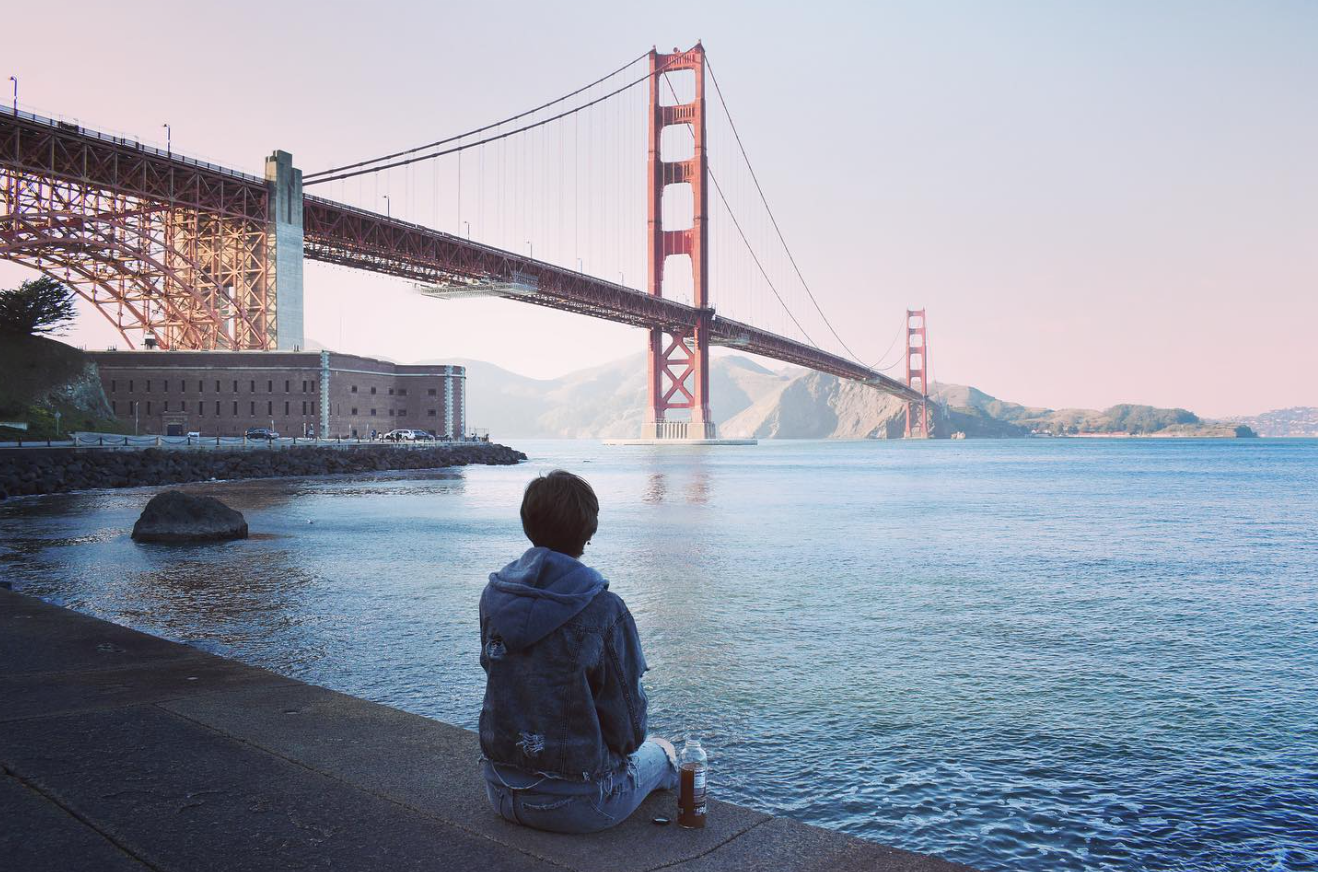
When her aunt picked her up from the San Francisco airport, the world felt unfamiliar.
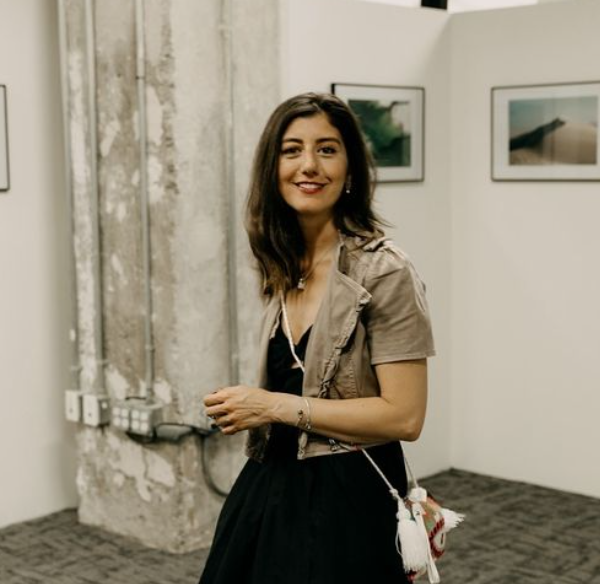
Today, Nathalie works as a designer in tech and continues to create art. She is directing and producing a film called Hairlock, capturing the contrast between the everyday life she once knew in Syria and the reality of a world where friends and family are scattered across the globe. "It is a celebration of the art of resilience."