
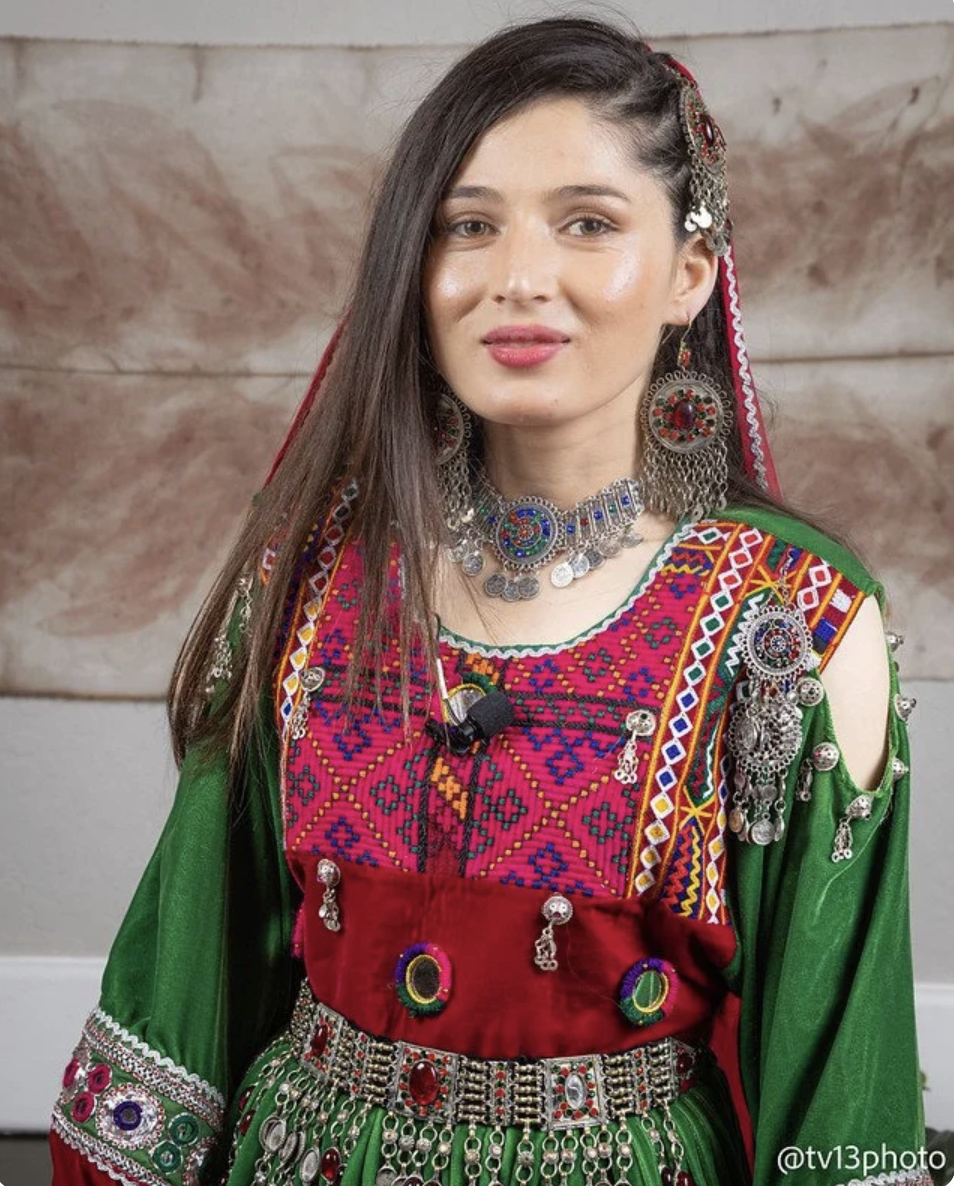
MAHJABIN
Afghanistan | California
“America’s strength isn’t in its military might or economic power, it’s in people like Emily, who saw strangers and chose to make them family.”
“THE AMERICAN SOLDIERS WERE SO KIND TO US. They would stop on the streets and talk to the children. They gave us cookies and little gifts."
Mahjabin was born at a time in Afghanistan when many families resisted sending their daughters to school, but her parents wanted her and her sisters to be educated. It was also a time when the American presence was strong.
She lived with her family in a small house in Kabul—ten of them total. Her mom, dad, four brothers, and three sisters. "Every night we would lay out the Afghan mats on the floor and sleep side by side. I always slept between my sisters."
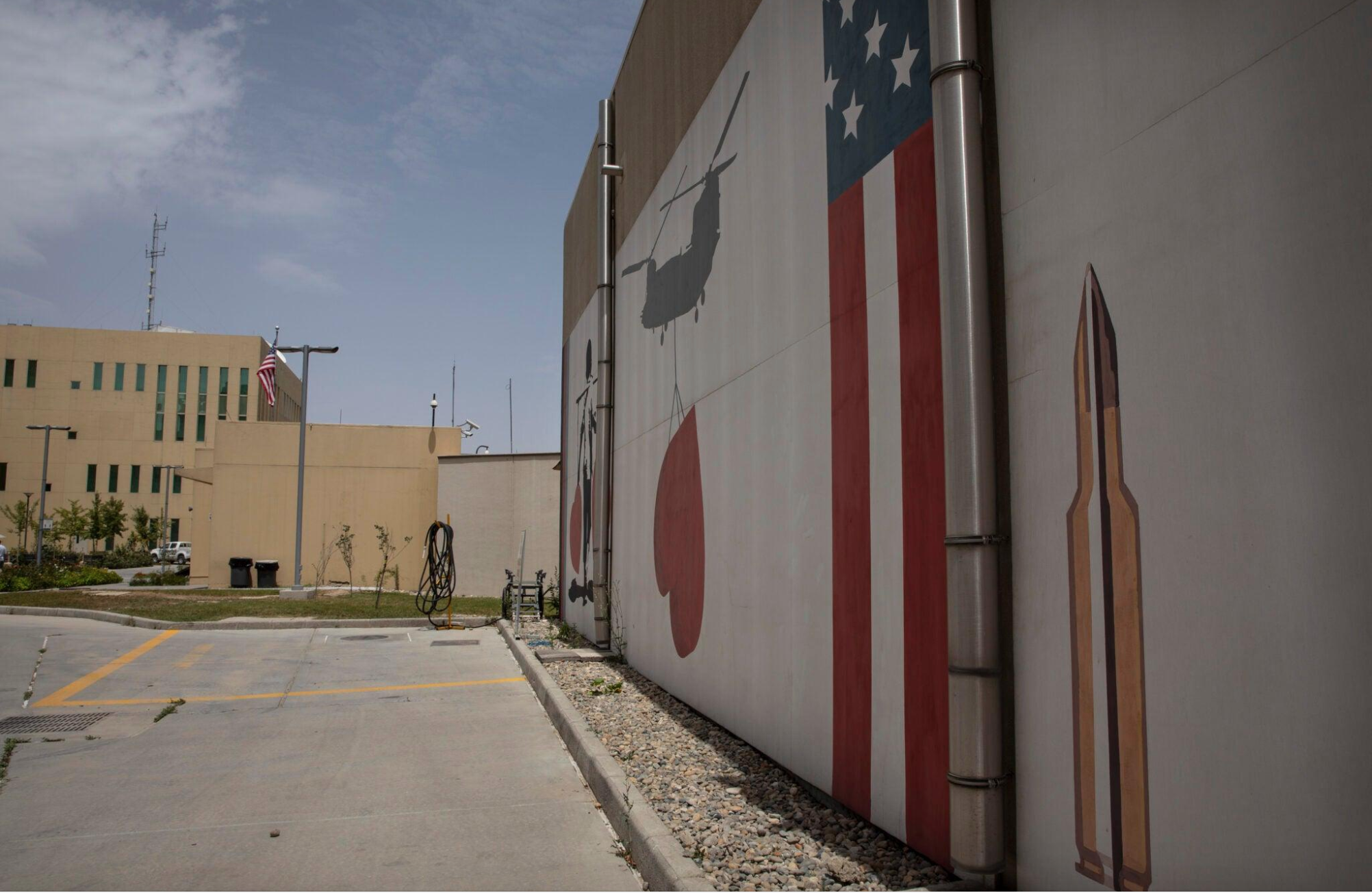
When Mahjabin was eighteen, she made a decision that would change her life forever. She went to work for the Americans as an interpreter at the US Embassy in Kabul.
Her parents warned her not to take the job. In Afghani culture, people frown upon women working with men, especially foreigners. "But I pleaded, 'Let me just try for one week, and if it's not good, I will resign.'"
Working for the Americans came with both danger and promise—after two years of service, she could receive a Special Immigration Visa.
Mahjabin always feared the Taliban—a brutal group responsible for killing thousands of innocent civilians. But she never believed they would rule Afghanistan again. She reassured her sister, "They will never return to Kabul. The American Army is here."
Then 2021 arrived. The Taliban began taking over provinces across the country. By August, only Kabul and a few other cities remained free.
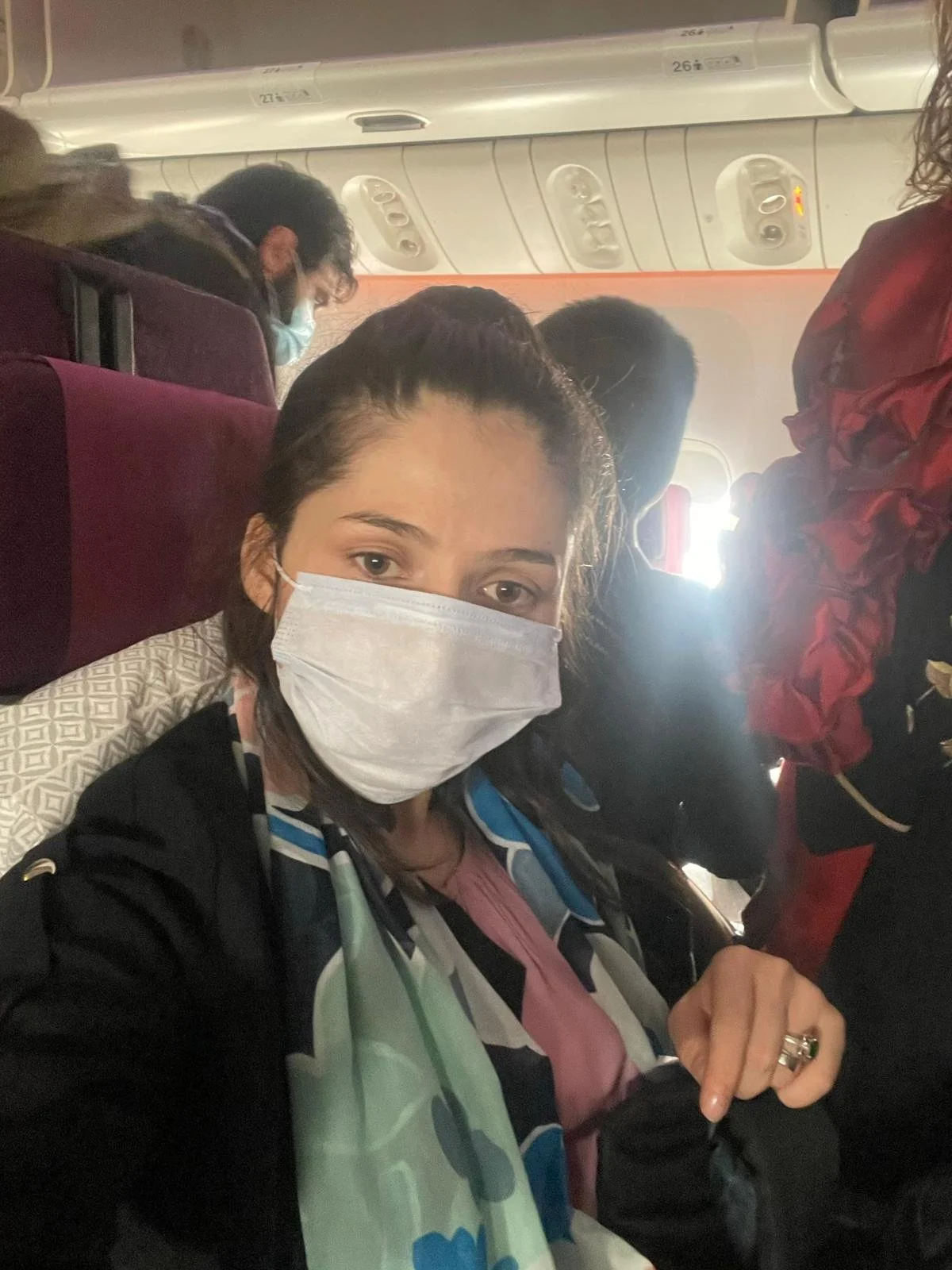
Her supervisor urged her to take an emergency evacuation flight to the United States on August 9th. She believed this would be a slow, measured withdrawal, and her family would soon join her.
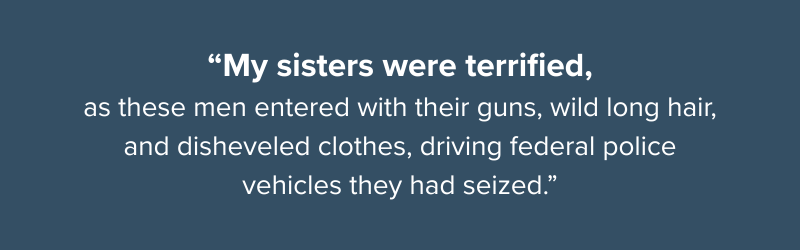
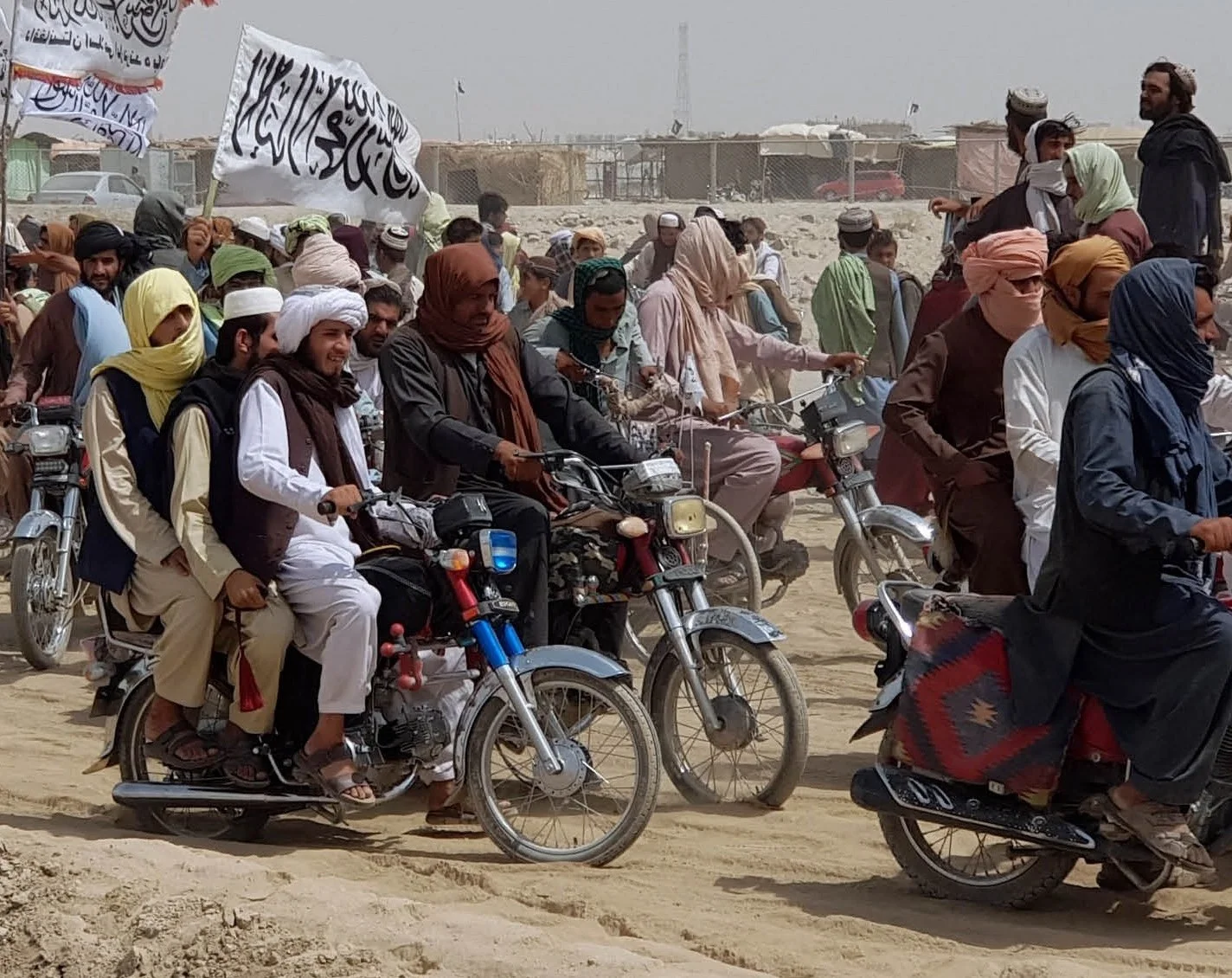
Six days later, on August 15th, the Taliban controlled all of Afghanistan.
Taliban fighters searched every house in her neighborhood, including her family’s home. Mahjabin desperately told her family to get to the airport. They joined thousands rushing there, constantly hearing gunshots. Taliban checkpoints were everywhere. "Through tears, my sisters told me, 'They're beating people, especially women. The streets are overrun with violence."
After a harrowing day and night, her sisters reached the airport. A friend working as a gatekeeper pulled them inside to safety.
But her parents weren't so lucky. They didn't make it before the final flight left. They remain in Kabul today, hiding because of her work with Americans. The Taliban has declared war on anyone associated with the U.S.
"This reality haunts me every day, and I'm trying everything possible to get them out."
Her sisters were flown to Qatar, then to Texas, where they stayed in a refugee camp for months before finally joining her in California.
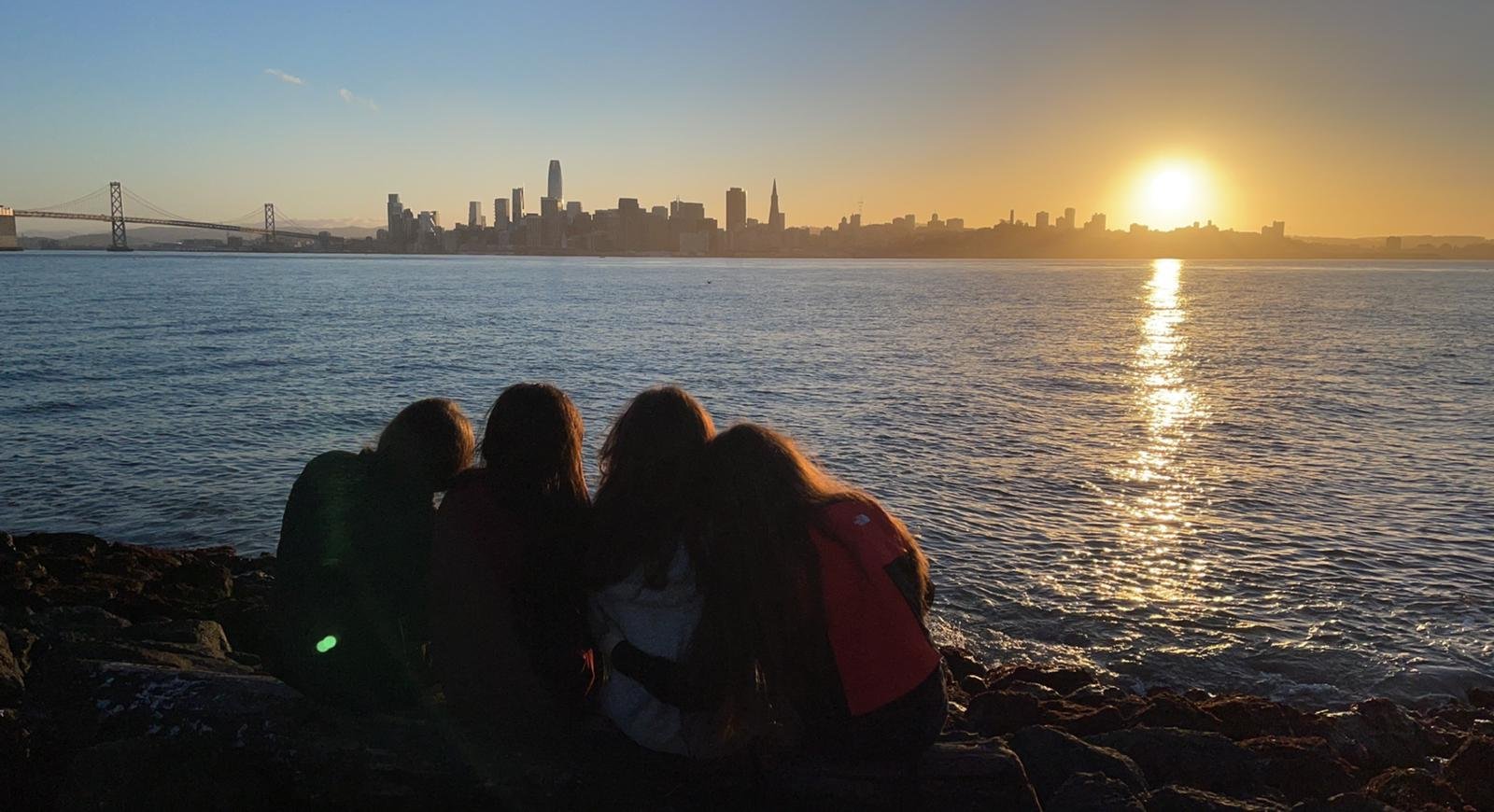
The International Rescue Committee provided services and housing for three months—a time filled with chaos and heartbreak as she watched the devastation unfold from afar. With one week of support remaining and her sisters arriving, Mahjabin was placed in an Airbnb with a woman named Emily. Emily helped them find an apartment, jobs, a car, and enrolled her youngest sister in High School. “Today, that sister is studying pre-law and I stand before you because of Emily, my ‘American Mom,’"
After finding her footing, Mahjabin began volunteering as a translator for newly arrived Afghan refugees. This led to a position with Project Anar, an Afghan community-based immigration justice organization providing legal services and advocacy for asylum seekers.
Project Anar received most of its funding from the Biden Administration to help resettle Afghans promised asylum—people who, like Mahjabin, worked for Americans during the 20-year presence there. The Trump administration has cut all of that funding and much of the staff has been laid off.
"We had vibrant lives, family, community, a culture we love. Now, women in Afghanistan cannot leave their homes without a male companion. Girls over eight cannot attend school. Women must be fully covered from head to toe."
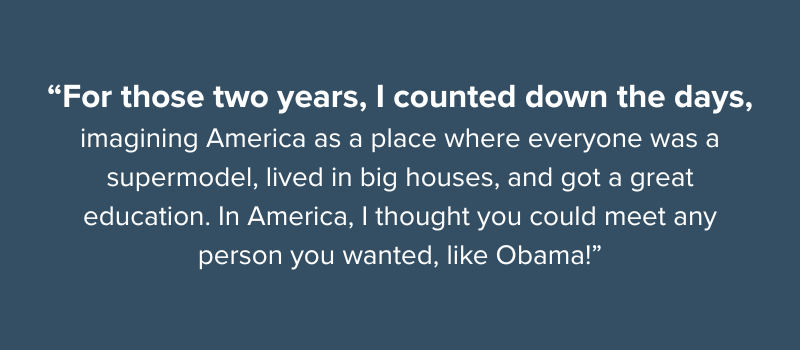
When she first dreamed of America at 18, Mahjabin imagined a land of freedom, opportunity, and justice. What she's found is that these values aren't guaranteed—they require constant vigilance and collective action.
She pauses. "I exist here, not just as a survivor, but as someone transformed by both tragedy and compassion. When we stand together, even the darkest forces cannot prevail against our collective light."
Watch Mahjabin’s Keynote address at the 2025 Bioneers Conference: