
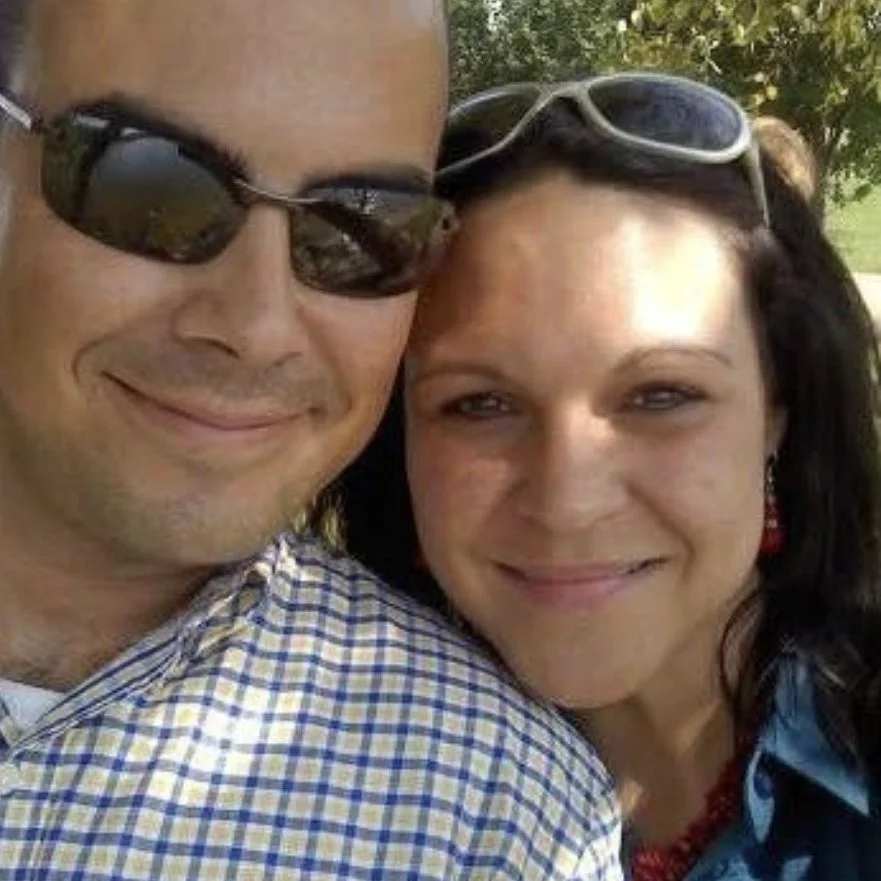
CRYSTAL
North Carolina
“People will call me if they know somebody’s struggling before they call anybody else”
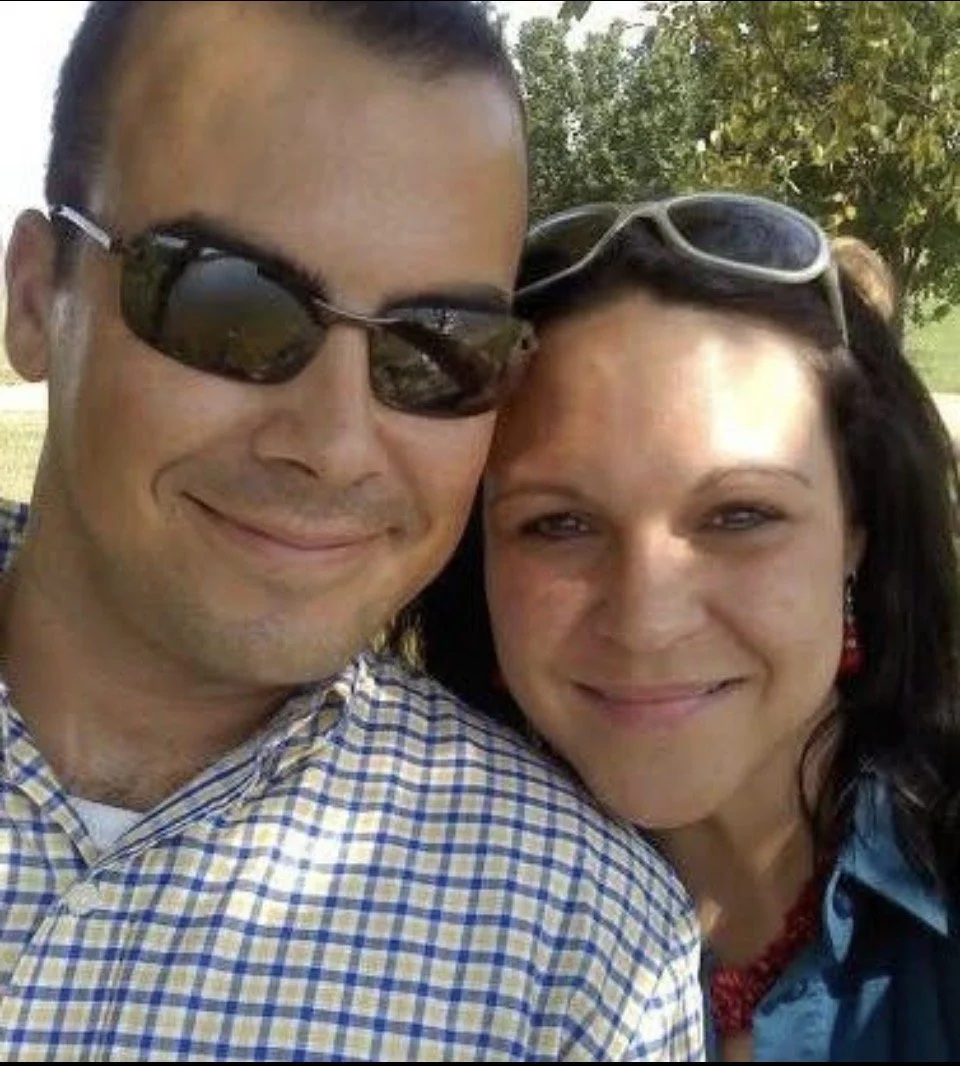
PEOPLE CALL CRYSTAL BEFORE THEY CALL THE POLICE.
Sometimes it’s a veteran in the middle of the night, other times it’s a family member who knows something is wrong but doesn’t yet know what to do, and Crystal goes anyway—no matter the hour or the situation. She doesn’t always involve law enforcement, and often what’s needed most is something far simpler: someone willing to sit and listen.
“I can look at anybody and know what they’re feeling,” she says.
Crystal is the Vice President of the Jackson County Veterans Organization in North Carolina. She works full time in a dental office, but much of her life is spent supporting veterans and their families—especially those dealing with PTSD or loss.
“I get called out a lot,” she says. “People will call me if they know somebody’s struggling before they call anybody else.”
She didn’t originally set out to do this work.

Crystal is from Sylva, North Carolina. She describes herself as independent, someone who grew up used to taking care of things on her own.
“I’m a mountain girl,” she says. “I’ve always been very independent.”
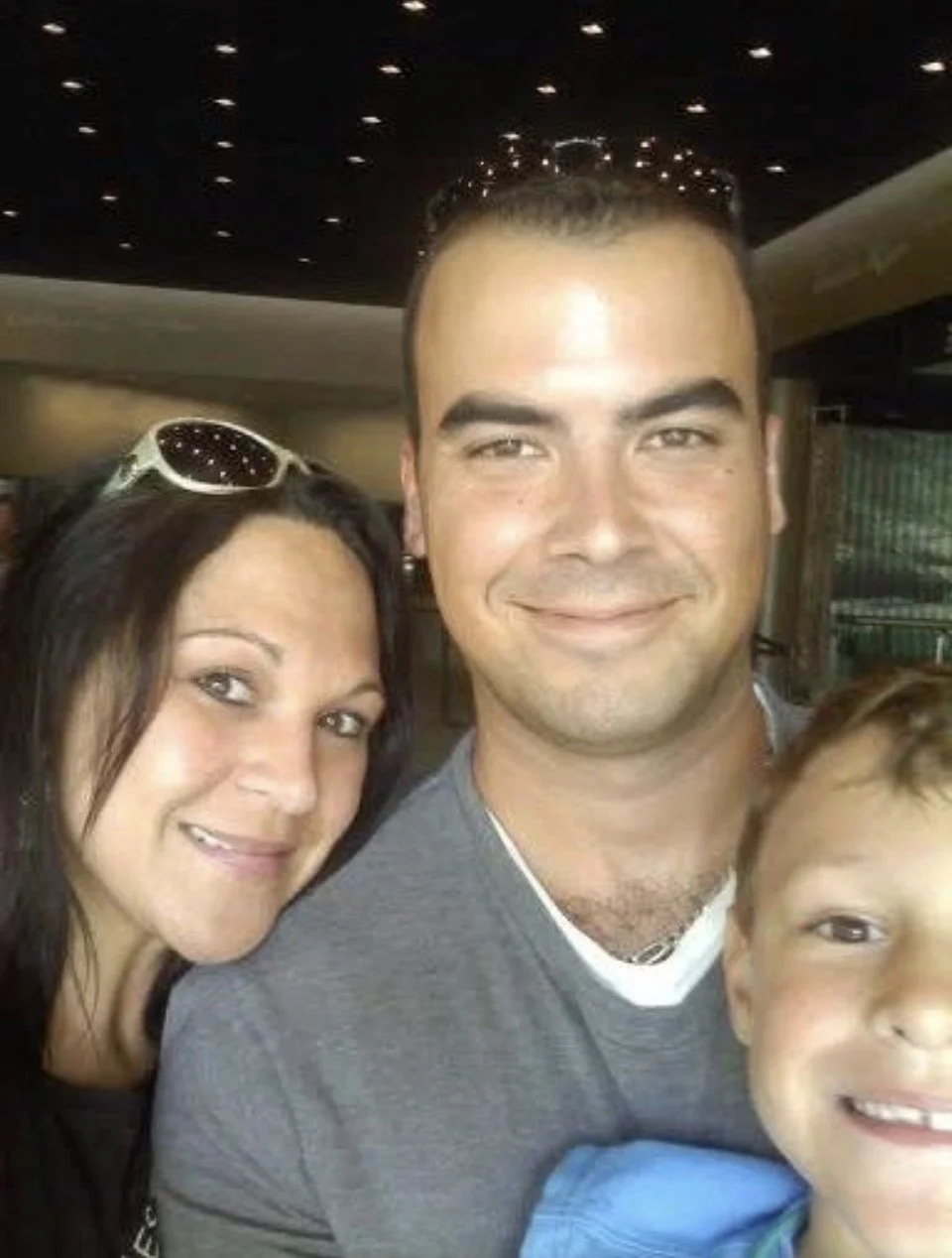
She and her husband Justin were from the same town. Years before they were together, when she was working in a dental office, he had been one of her patients. Years later, when he was home on leave from Japan for Thanksgiving, they met again, and their relationship began.
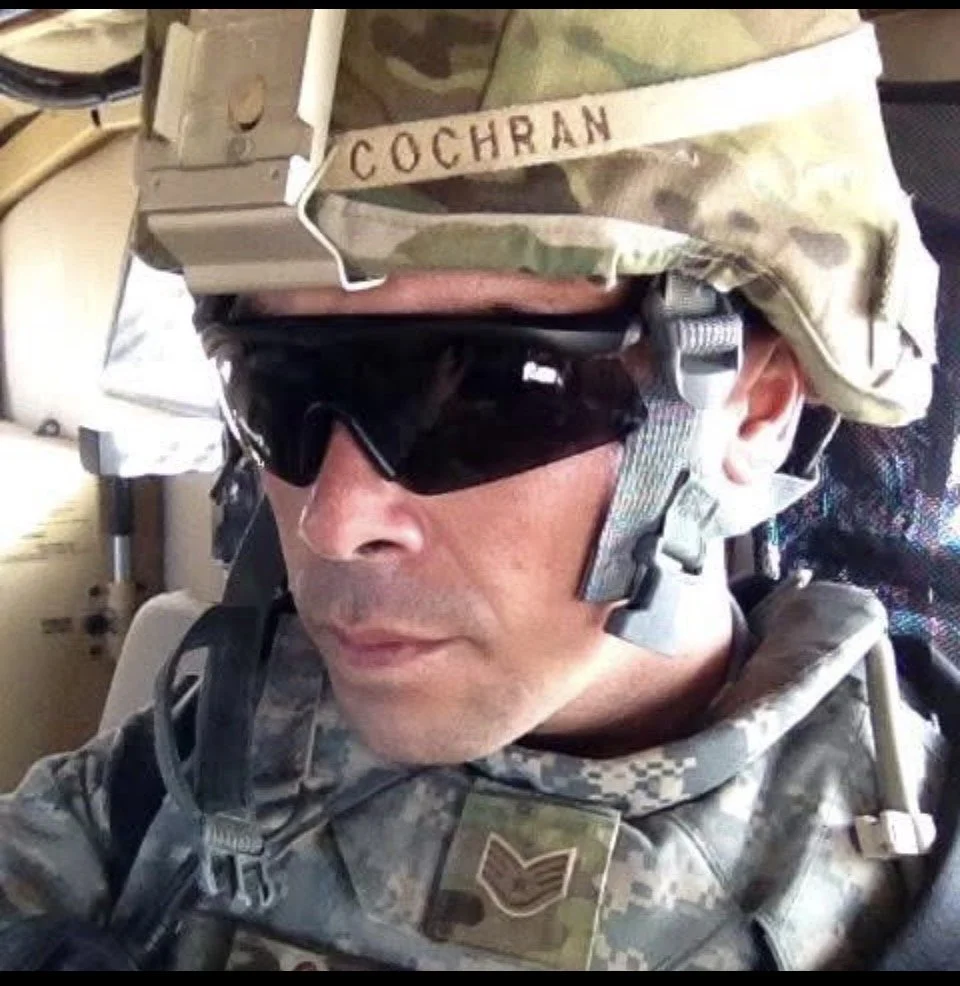
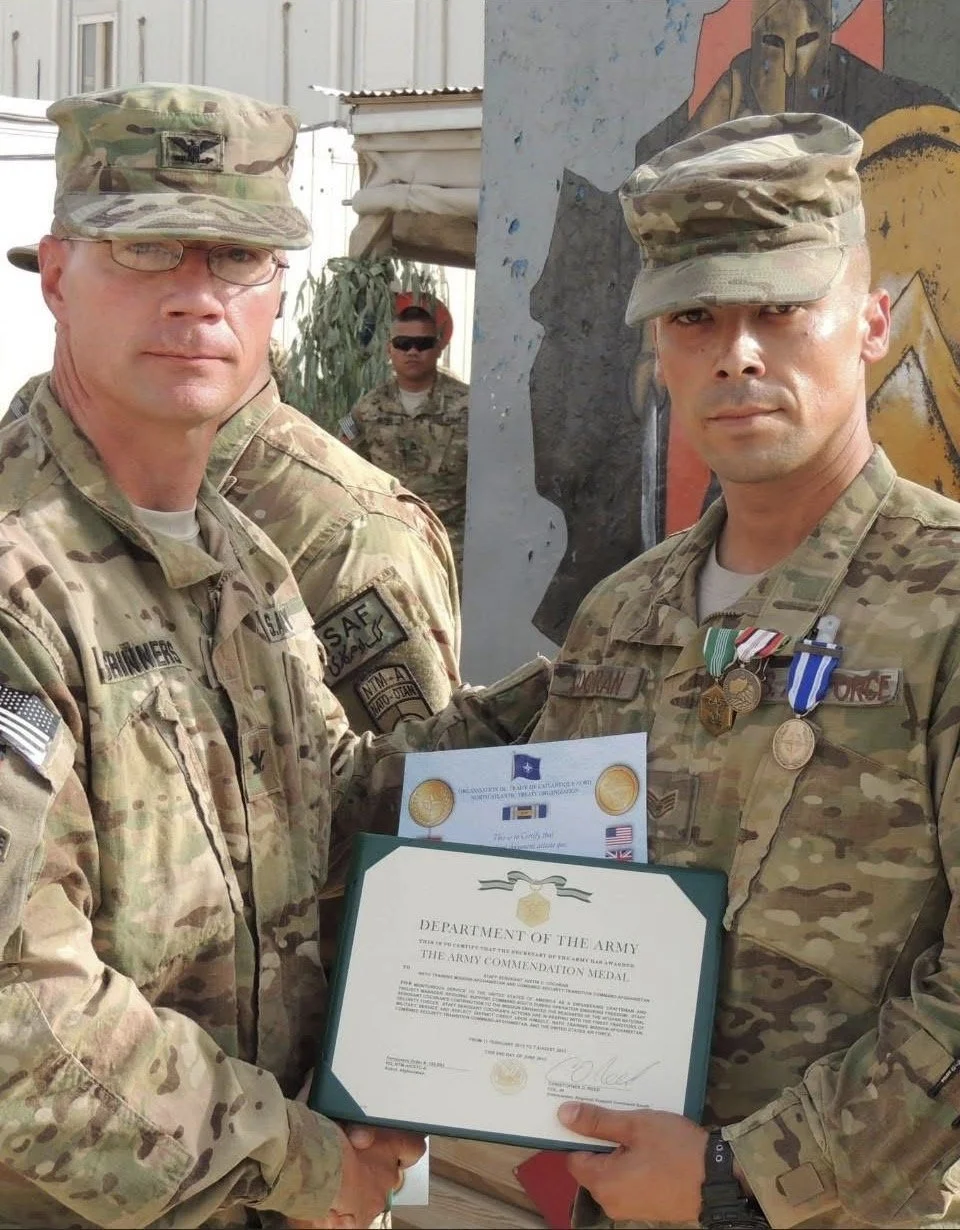
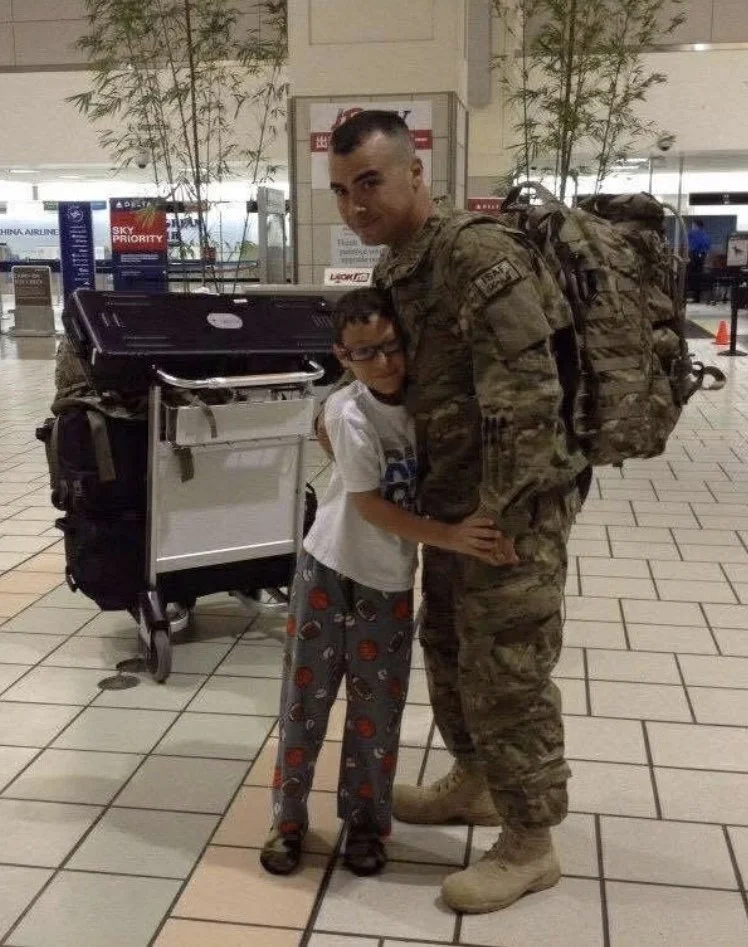
Justin was in the Air Force, working in civil engineering as part of the Red Horse squadron. After they married, Crystal followed him through multiple duty stations, including Mississippi, Japan, Guam, and eventually Las Vegas.
“He was meeker and milder than me,” she says, “but he loved sports and motorcycles. Above all else, he loved his friends in the military.”
Crystal took to military life as well.
“I loved it,” she says. “When he was gone, it was just like I had to handle everything on my own.”
In Guam especially, the community felt close, and she became deeply involved—volunteering at the chapel, working with the squadron, and building a strong support network around her.
But later, something began to change.
By the time they were living in Las Vegas after years overseas, Justin’s behavior had started to shift.
Crystal remembers a moment before a humanitarian deployment to the Dominican Republic, when something felt off. They had driven to the airport, about thirty minutes away, and Justin realized he had forgotten his paperwork - something that was completely out of character for him. They had to turn around and go back home, and when they returned to the airport again, he kept turning to look at her as he was leaving.
“And just the look in his eyes,” she says. “I just knew something was not right. He just kept turning back and looked like he did not want to go.”
“You know the person because you’ve been with them day in and day out,” she says. “And then when you see something like that… you just know something’s wrong.”
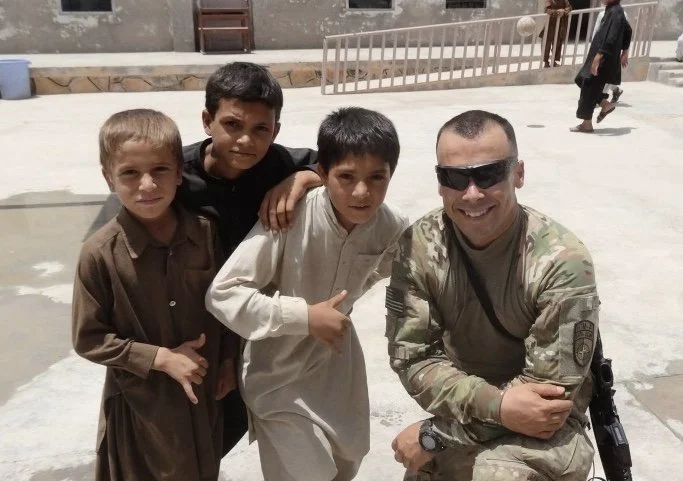
Justin had served in Iraq and Afghanistan, where he built runways and checkpoints. “He told me it’s the scariest feeling pulling up on a checkpoint,” she says, “because you never know what is going to be there.”
She also learned that a checkpoint he knew was later blown up, and three men he had been friends with - members of the Air National Guard he had played softball with in Guam - were killed in Afghanistan.
By 2016, his behavior had become increasingly difficult to understand.
“At night, he would wake up yelling and tell my son and I that we didn’t know anything about war,” she explains. “Then he’d wake up the next morning up like his normal happy self and would go get his coffee—and I’m just looking at him wondering, ‘what is going on’?”
Crystal tried to get Justin help, but she was cautious.
“I didn’t want to get him in trouble,” she says, “but I didn’t know what else to do.”
Justin finally went to the doctor, where he was evaluated using the PHQ-9, a mental health assessment.
“He scored a 25,” she says. “Anything above a 15 should trigger a ‘do not arm, do not deploy’ order, along with immediate contact with command and a full psychiatric evaluation.” But none of that happened.
“Instead, they swept it under the rug and prescribed medication,” she says. “They increased the dosage again and again, yet he continued to decline, and he became less stable.”
At the same time, Justin was drinking heavily and, as Crystal later learned, taking anything he could access.
“He was taking his medication, my medication, and my son’s medication,” she says. “And drinking.”
She began taking precautions on her own, doing what she could with the limited understanding she had at the time.
“We had one gun in the house,” she says. “There were times I would put it under my car seat.”
The Wednesday before he died, she called his command.
“I told them I needed help,” she says. “They just told me they were aware of the situation and were working on it.”
On Christmas Eve, the day began normally. They spent the morning watching The Andy Griffith Show together, and later went out in Las Vegas for dinner, walking through shops afterward.
At one point, Justin left, saying he was going to the bathroom. An hour and a half passed until he returned. Later, Crystal would learn from bank records that he had spent over $200 on alcohol during that time.
On the drive home, something shifted again.
“He reached over, put my car in neutral and tried to jerk the steering wheel out of my hand,” she says.
She managed to get them home, but within minutes, the situation escalated. Justin, who had never been violent before, became someone she did not recognize.
“The lights were on, but nobody was home,” she says. “I’ve never seen the devil, but it was in his eyes and in his voice.” She tried to keep him calm.
“I knew he wasn’t in his right mind,” Crystal says.
Moments later, outside their home, Justin took his own life. In the months that followed, she struggled to cope with what had happened.
“The easy thing would be to lay in your bed and just wither away,” she says. “But to get up and say, ‘Hey, I need help’—that’s the hard part.”
At one point, she spent nearly two months barely getting out of bed. When she did begin to get up, it started small. She would go outside and walk, just to move and to get out of the house.
“You have to want to have your life back,” she says. “It may not ever be the same, but at least you can live again if you want to.”
Now, Crystal uses everything she has learned to help others.
“When you go through something like that,” she says, “your world stops and everybody else keeps going. And there’s no way to understand it unless you’ve been through it.”
She further advocates for veterans and their families, often stepping in at the moments when systems fail.
“Because of all this, I know the federal laws like the back of my hand,” she says. “I advocate for veterans and push for proper evaluation and care, something that Justin did not receive.”
People sometimes look at her life now and think she has it all together.
She pauses at that.
“I have what I have built, but people often have no idea what I lost,” she says. “I would give it all back if I could.”
Yet, Crystal has found a way to continue despite her loss and to make a difference in the world.
“Just because bad things happen,” she says, “there are still blessings that come.”