
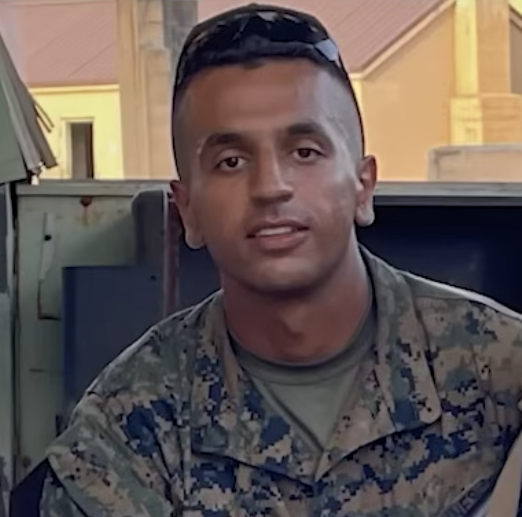
AZAD
Iraq
Wartime Ally, US Marine, Survivor, and now opening doors for others.
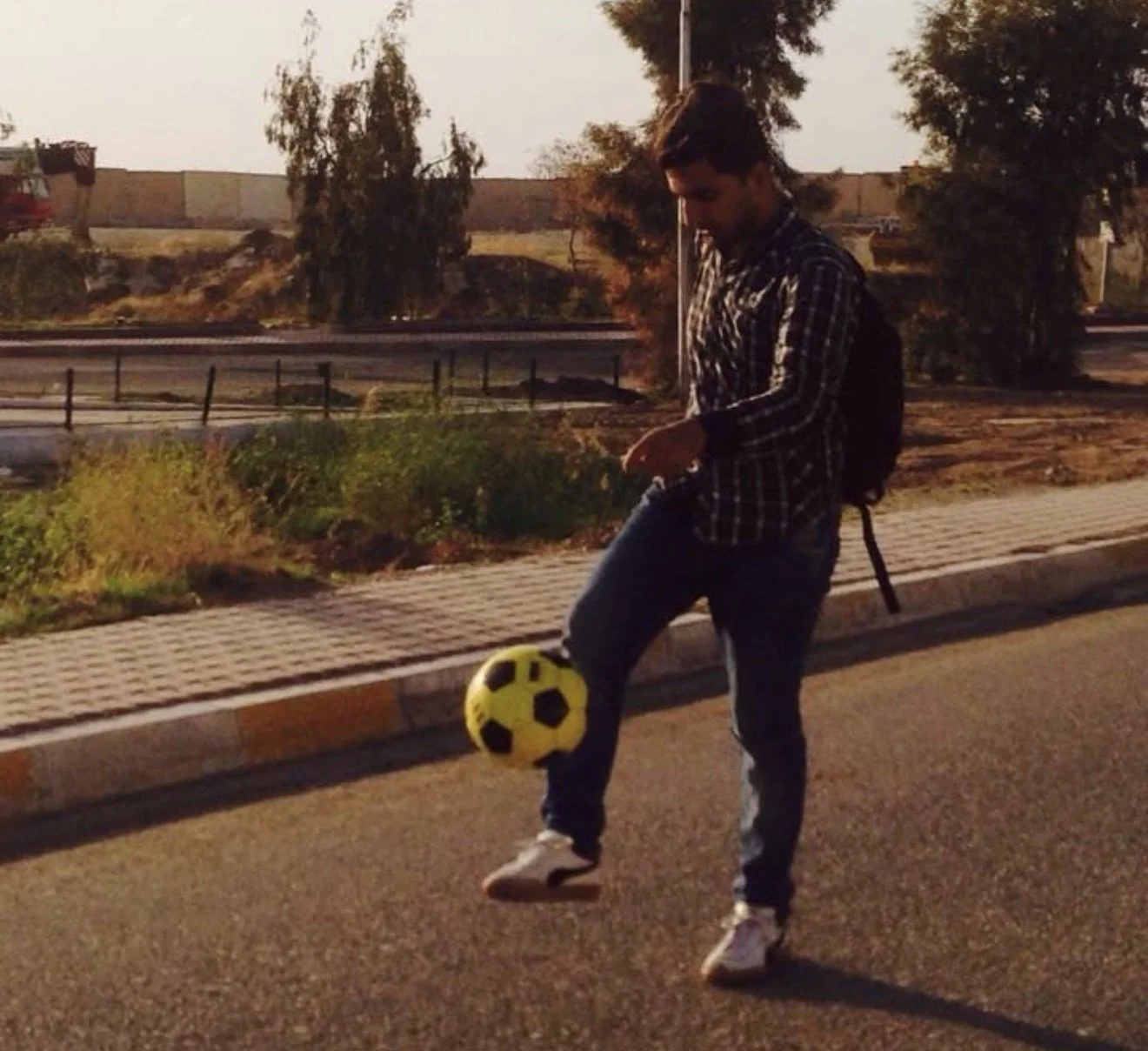
AZAD WAS BORN IN BAGHDAD IN 1996, AN ETHNIC KURD IN A CITY WHERE HIS PARENTS HAD LEARNED EARLY TO BE CAREFUL ABOUT WHAT THEY REVEALED.
Eight years before his birth, Saddam Hussein's regime had dropped chemical weapons on the Kurdish city of Halabja, killing thousands. The message to every Kurdish family living under the regime's shadow was clear: you are not safe here.
His father drove a taxi and taught school on the side. They kept to themselves, hiding the fact that they were Kurdish in an Arab-dominated city.
Eventually the calculus became too risky, and Azad's family moved north to Sulaymaniyah, a Kurdish city where they could speak their language without fear. Then in 2004 they moved again, to Kirkuk—an oil-rich city sitting atop the ninth-largest petroleum reserve in the world.
Azad remembers the first time he saw American soldiers. They were playing football on a field. He stared. Many believed the Americans would mean liberation from Saddam. But the invasion also brought insurgents, militias, Al Qaeda operatives. IEDs and car bombs became the new reality.
"When we would leave the house, our parents would tell us: Stay away from crowds. Stay away from police stations. Stay away from U.S. convoys, because they are also a big target."
Around 2007, as sectarian violence was near its peak, a car bomb exploded outside his elementary school. Azad walked away unharmed. But he couldn't unfeel it.
Inside the school walls, the violence found other forms. One afternoon, a strict Islamic teacher noticed Azad writing with his left hand and told him, with complete seriousness, that his hand should be cut off.
From that moment, Azad became determined to find an exit strategy.
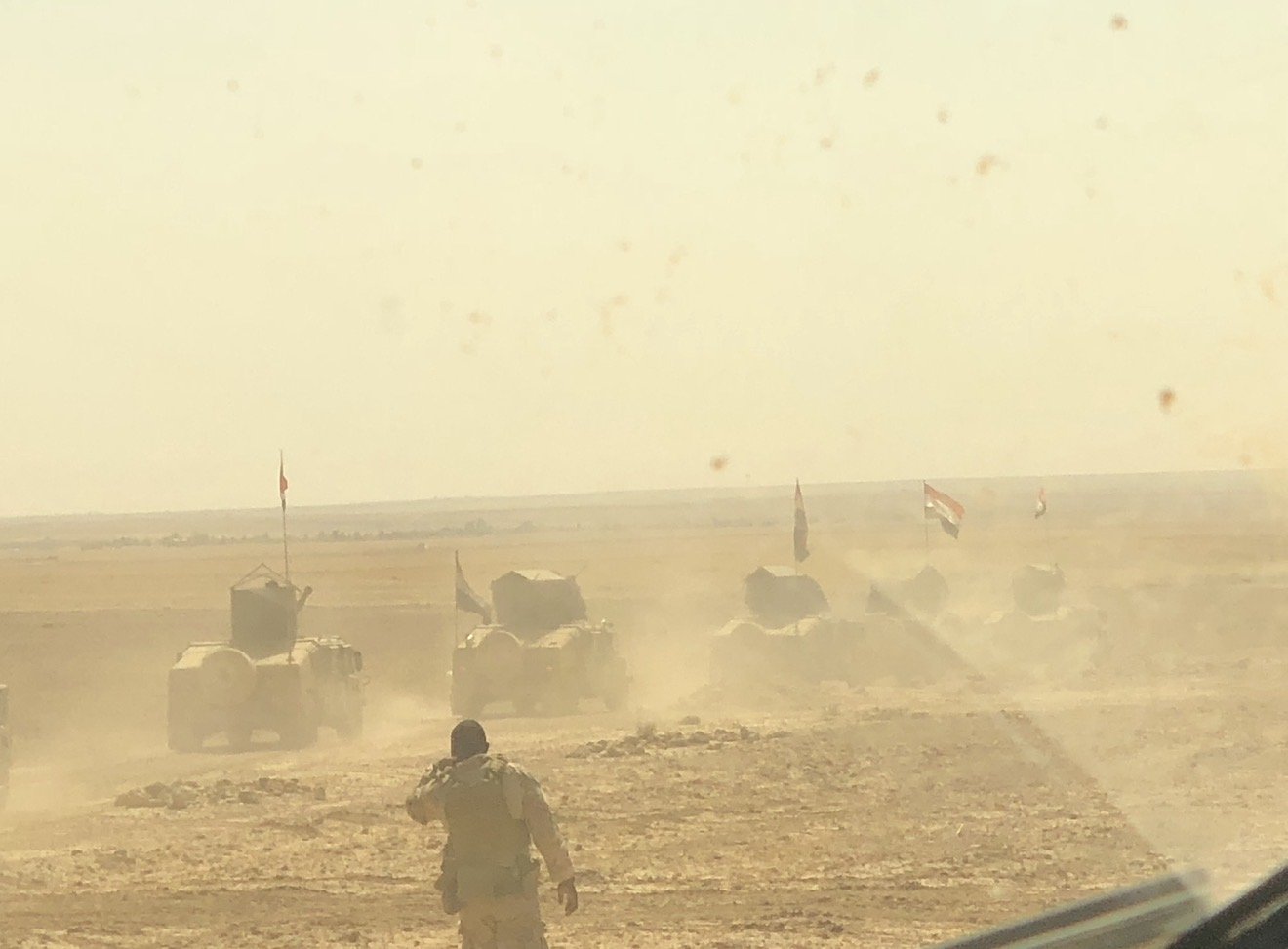
America came to him through movies, music, DVDs from small shops. Something about the language clicked. He practiced constantly—including on the American soldiers patrolling the streets. His teachers told him not to fraternize with infidels. He didn't listen.
Azad's plan was to become a translator. Work loyally alongside the U.S. military for one year and you qualified for a Special Immigrant Visa. That was the exit. Then in 2011, the Americans pulled out entirely, and his plan collapsed.
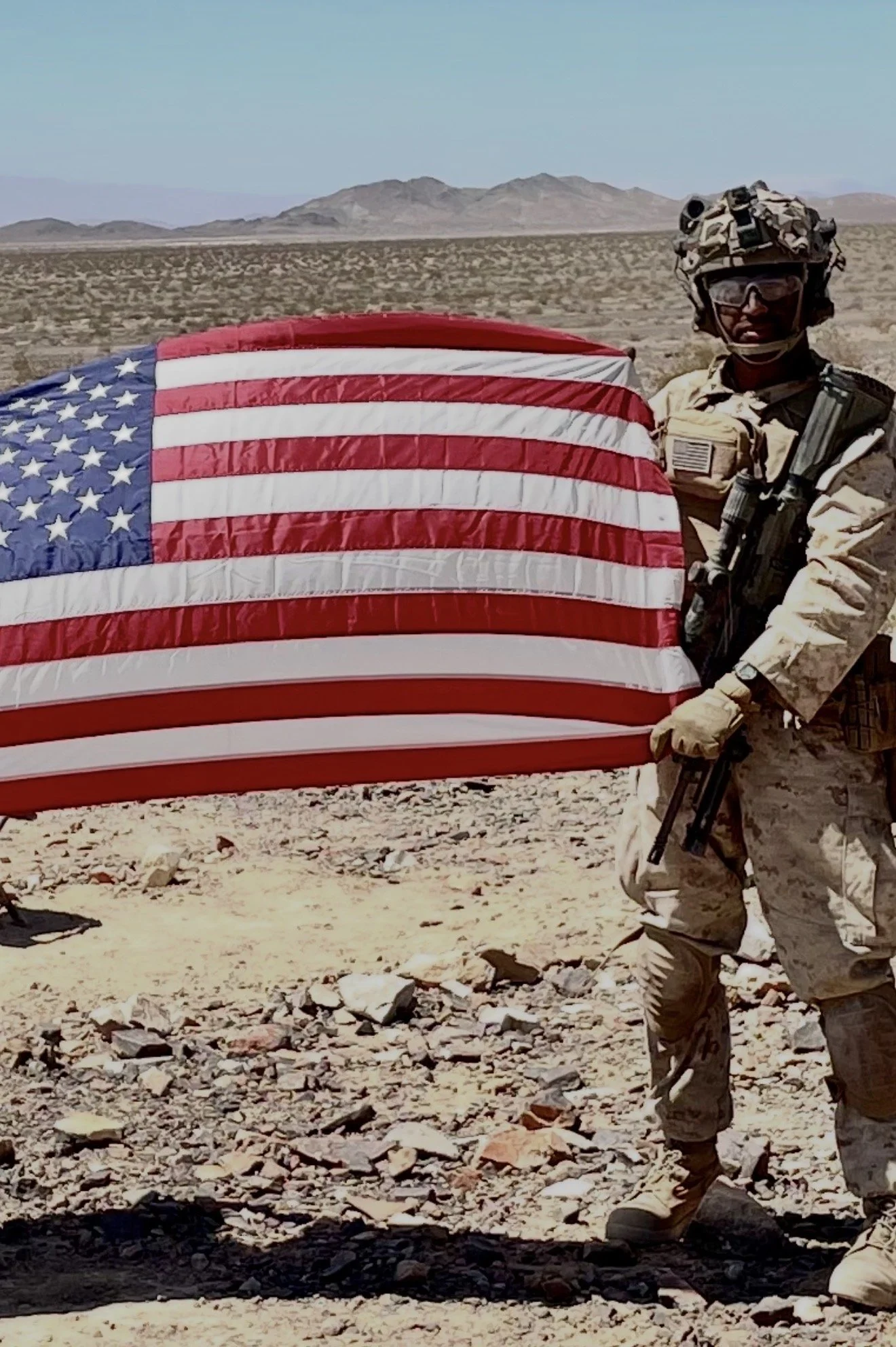
He applied to the American University of Sulaymaniyah knowing he couldn't afford it, just to walk the campus. He scored well on the English placement exam, and an anonymous donor, impressed by his scores, offered to pay his entire tuition. It felt like the world opening up.
But two semesters in, ISIS took Mosul. And the Americans came back.
The military needed people who spoke English, Arabic, and Kurdish. Azad fit the bill. He told his parents he'd be doing translation work at the airport. He did not tell them he was going to war.
He started with an Army artillery brigade outside Mosul. It wasn't enough. He pushed for reassignment to special forces, to Navy SEAL teams. In 2017, conflict broke out between Iraqi forces and the Kurds. The Kurdish forces withdrew, leaving Azad and his team stranded—no resupply, no freedom of movement. No one else could pass through the area safely. So Azad went. Again and again, alone.
On one of those runs, a militia stopped him. He was held for several days before pressure from enough directions finally got him out. He doesn't say much about what happened in between.
The whole time—the missions, the isolation, the days in captivity—he had been quietly building his case for a Special Immigrant Visa. The program now required a letter of recommendation from a general. He got one. His visa was approved in 2019, and that September he landed in North Carolina.
Azad joined the Marine Corps, served four years as an infantryman, became a U.S. citizen. Boot camp was hard in the ways it's hard for everyone, and hard in ways particular to him—no family there for graduation, no one who knew what it had taken to get to that field. The first year after service was harder still. The structure he'd lived inside for years was gone. The community was gone. His brain, he says, started processing everything at once.
Today, Azad is finishing a master's degree in cyber engineering and volunteering with No One Left Behind, the oldest organization in the U.S. dedicated to resettling Afghan and Iraqi allies. He knows what it costs to wait for a visa that may never come. He knows what it means when someone finally opens a door. He spent his whole life looking for an exit. Now he's the one holding it open.
No One Left Behind:
No One Left Behind is dedicated to evacuating, resettling, and advocating for our wartime allies in Afghanistan, Iraq, and beyond who have been displaced from their homes due to their support for the U.S. mission.