
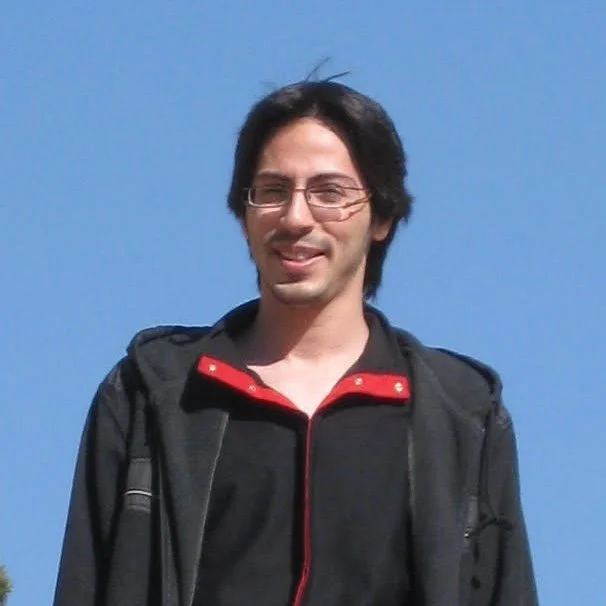
ALI
Iran
“The system knows what to do with a radical. But someone who says: here is your own constitution- now follow it, that question they cannot answer.”
THE GUARD RIPPED OUT SOME OF THE PAGES BEFORE SLIDING THE MAGAZINE UNDER THE DOOR. What remained was a yellow celebrity gossip magazine—the kind that collects in waiting rooms. Somewhere in the middle, between photographs of who was dating whom, were two paragraphs about a man who had survived the Holocaust.
The man had lost everyone in the camps. After the war, he moved to New York City and became a professor. Someone once asked him how he had survived. He answered in a single sentence: he had kept his hope alive.
Ali read this in his solitary confinement cell in Iran. He was twenty-three years old. He had been alone for weeks, measuring time by the arrival of breakfast, lunch, and dinner, banging on the walls, hoping someone in the next cell might knock back.
He had recently told his interrogator he would say whatever was needed. He had started begging the guard who slid the food tray under the door just to stop and talk to him.
He could not change his situation. He could only keep his hope alive.
· · ·
Ali was born in 1985 in Shiraz, the largest city in southern Iran. His mother had evacuated from the frontlines during the Iran-Iraq War at seventeen and met his father a year later. They married young, eighteen and twenty-three.
His parents weren’t especially religious or strict. But early on, Ali learned what it meant to live with two selves. At home, his mother didn’t wear a hijab around friends. At school, he was taught he couldn’t touch the hand of a girl he wasn’t related to. Each morning, he stood in line with his classmates and chanted pledges of devotion to the Supreme Leader- death to America, to Israel, to England.
At home, he watched American movies-teenagers playing basketball, going on dates, moving freely, and imagined another life. One where boys and girls weren’t kept so separate. One where he could breathe.
Before he left for school, his mother would pull him close: “Watch your mouth out there. Don’t tell them what we talk about here.”
He once watched a documentary showing people kissing the Shah’s hand, tyranny, the narrator said. Then footage of people kissing Ayatollah Khomeini’s hand- devotion. He was eight. He asked his father: aren’t these the same?
At seventeen he dropped out of high school and went to work in an animal food factory. Three years later, standing there among the remains of animals processed into feed, he understood this would not be his life. He quit, went back to school, finished his diploma, and enrolled in political science. He became an excellent student.
It gave him language for what he had always felt. He became a reformist, not a revolutionary. He had grown up in the aftermath of one revolution and had no interest in its romance. He rebuilt his beliefs slowly, from the ground up. For the first time, he questioned instead of accepted.
He wanted to hold the system to its own rules. “The system knows what to do with a radical. But someone who says: here is your own constitution- now follow it, that question they cannot answer.”
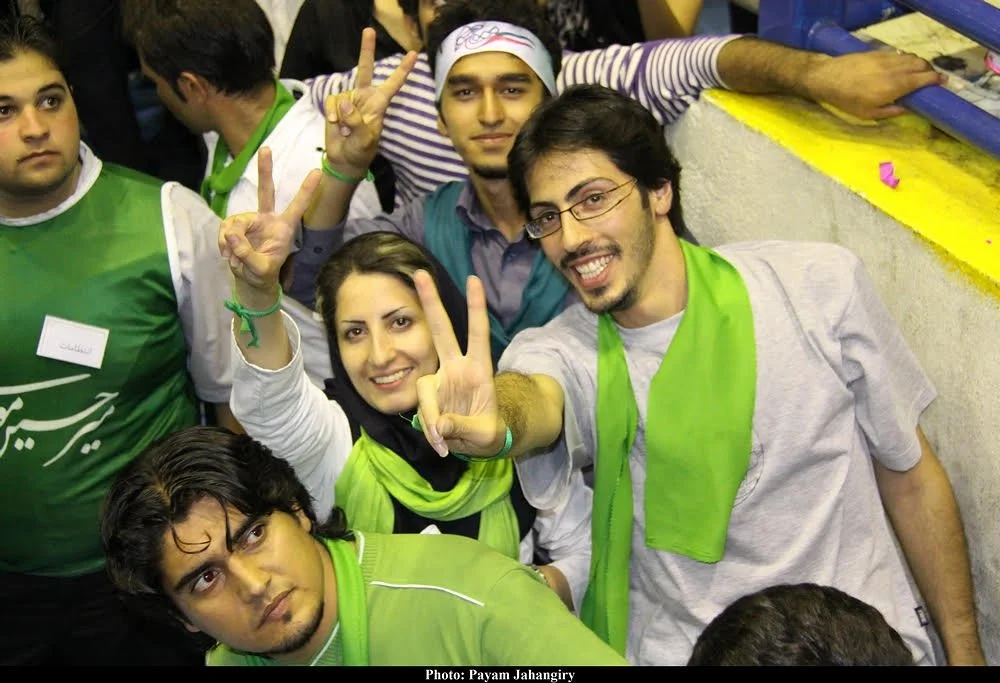
By twenty-three, he was running youth outreach for the reformist candidate Mir-Hossein Mousavi across an entire province. The day after the 2009 election results, they came to his house and arrested him. Four months in solitary confinement. Two years in prison. A lifetime ban from university.
After his release, he was required to report regularly to intelligence services, to sign his name- still here, still compliant. Then he learned they were preparing to send him back for ten more years. So at twenty-five, Ali fled to Turkey and left Iran for good.
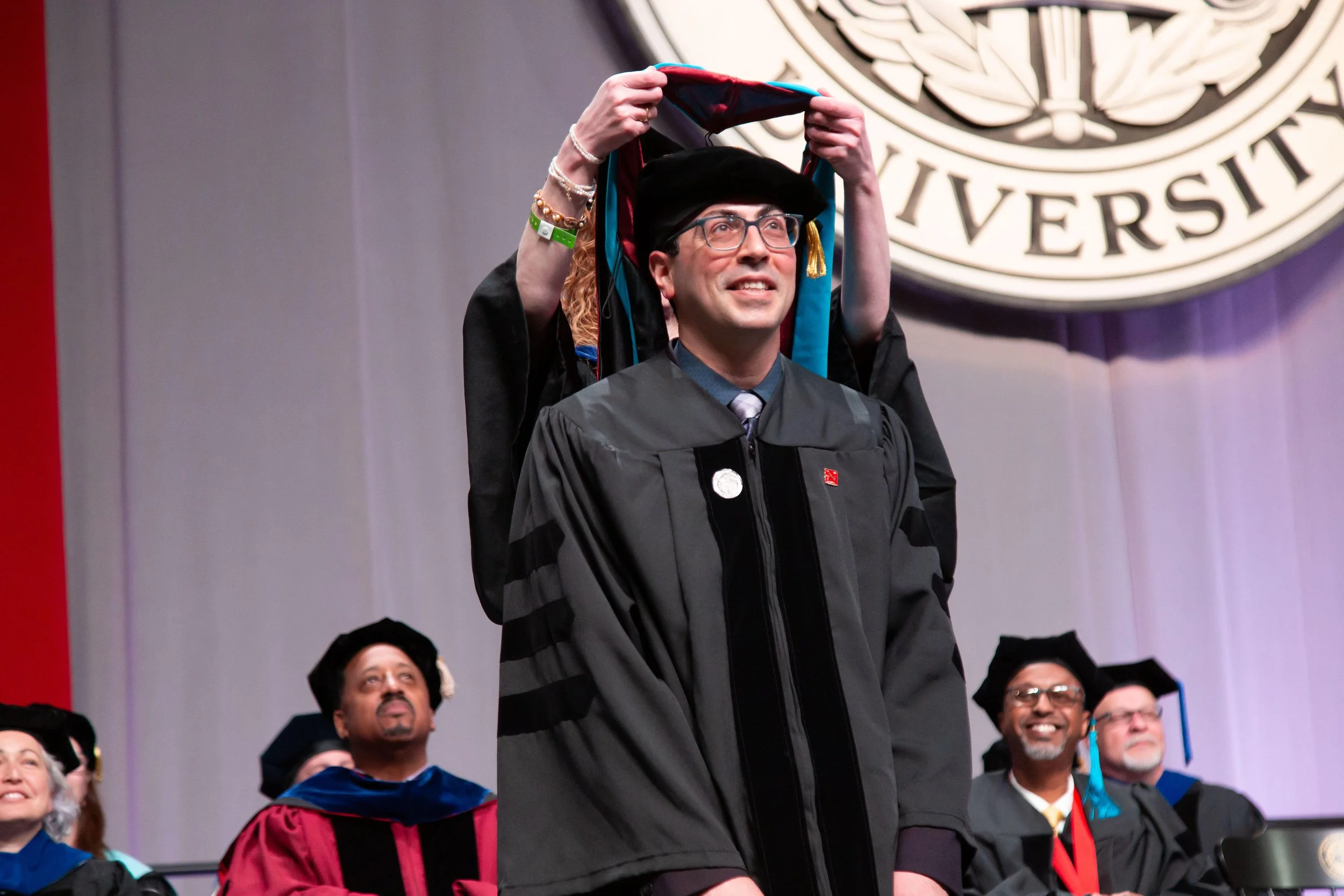
He waited sixteen months with the UNHCR before arriving in Chicago as a refugee. At the border, he didn’t feel relief. He felt shame. His friends were still in prison. Some would remain for years. The only way he knew to honor them was to keep going. He earned his master's in 2016, his doctorate in Law and Policy in 2024.
· · ·
Now, in early 2026, there is a growing campaign within the Iranian diaspora to normalize the idea that bombing Iran is a solution. It is working.
Ali has stood at the edges of rallies in safe Western cities, listening to exiles call for strikes on a country where his brother, his nieces, and nephews still live. He knows the arguments. He has written them out himself. But when pressed, he no longer reaches for them.
“My brother lives there. My nieces and nephews live there. A bomb doesn’t knock on the door and ask, ‘Who is home?’
He believes Iran is closer to democratic change than at any time since 1979- not because the regime has softened, but because the people have changed beneath it. War, he says, would destroy that, not the regime, but the slow, stubborn work of a society transforming itself.
· · ·
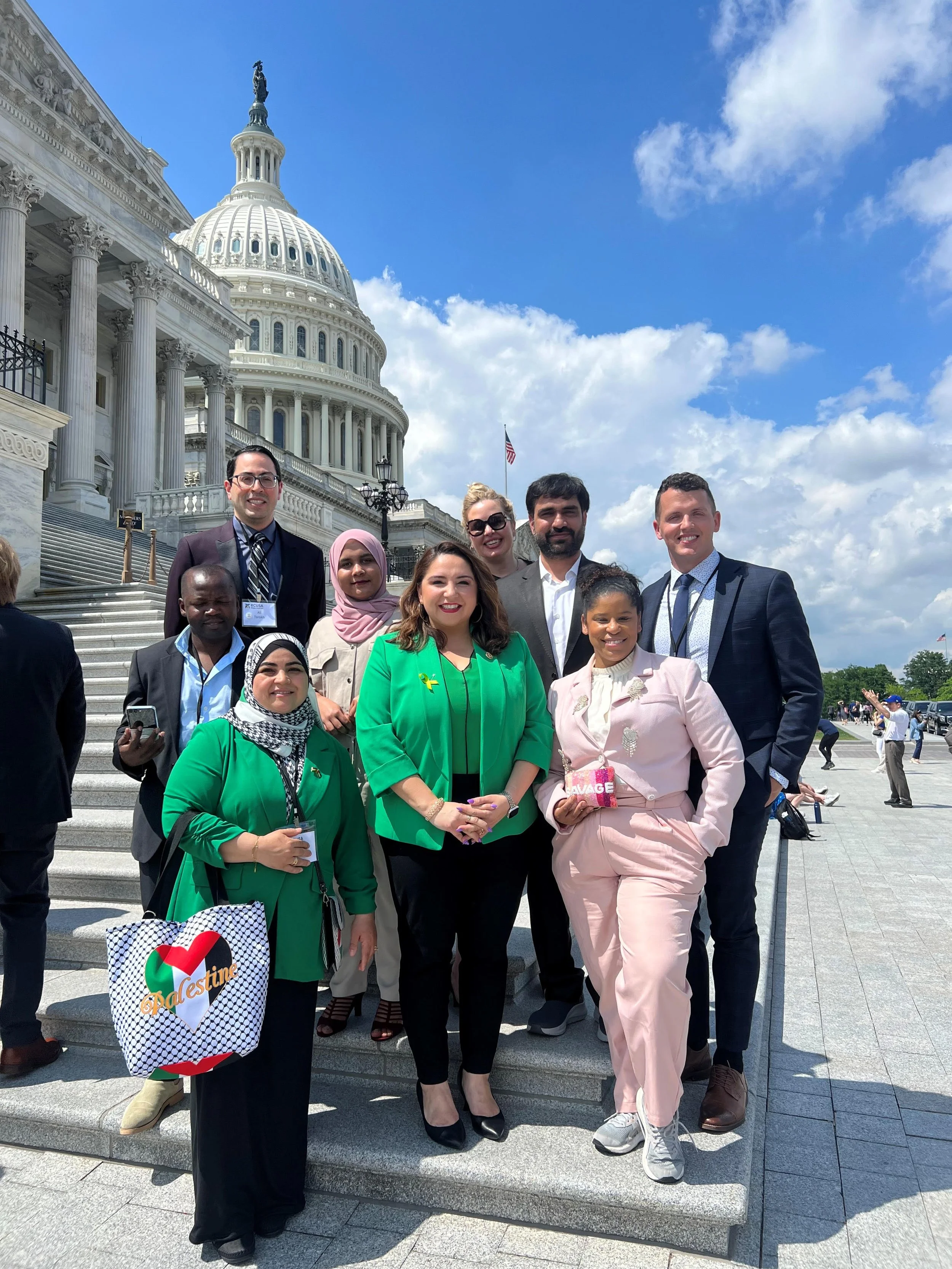
Ali now teaches social welfare policies at Loyola University in Chicago. He has a daughter. His wife is American, from a Jewish background family- a fact that makes him smile in a way that suggests the improbability of the world has never stopped amusing him.
The Iranian government has called him a Western agent. The Iranian diaspora in the United States calls him a regime sympathizer. He has spent most of his adult life occupying a position with no safe side.
He understands what war does- to people, to cities, to generations.
He continues to speak out.
There are no guarantees. No clear outcomes.
Only the decision, again and again, to keep hope alive.